
 Odita Sunday

How Major General Abdulsalam Abubakar Is Leading A Fierce Fight Against Terrorists in North-East Nigeria
By Odita Sunday
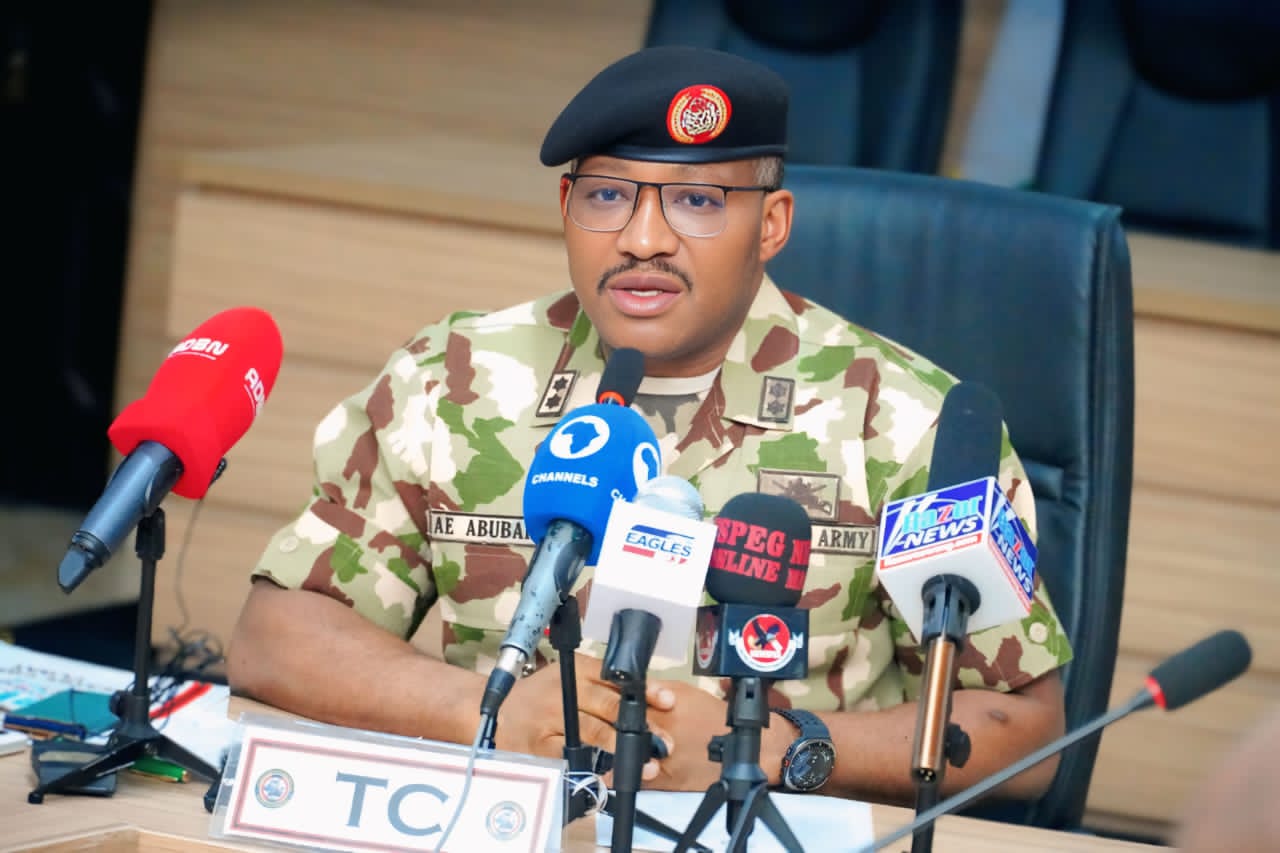
For more than a decade, North-East Nigeria has stood at the frontline of the country’s most complex security challenge. The insurgency waged by Boko Haram and the Islamic State West Africa Province (ISWAP) has tested the resilience of communities, institutions, and the Armed Forces of Nigeria. Today, under the leadership of Major General Abdulsalam Abubakar, Theatre Commander of Operation HADIN KAI, the fight against terrorism is entering a decisive phase marked by strategic clarity, operational intensity, and renewed public confidence.
Major General Abubakar’s command philosophy rests on a simple but powerful principle: defeating terrorism requires both military strength and public trust. From the outset, he has emphasized the importance of transparency and media engagement, recognizing that modern warfare is fought not only on the battlefield but also in the information space. According to him, how the story is told matters as much as the outcome itself.
“We must drive the narrative and not allow the adversary to spread falsehood,” he has repeatedly told journalists. “If the media only amplifies the terror of bandits, it becomes oxygen to their cause.”
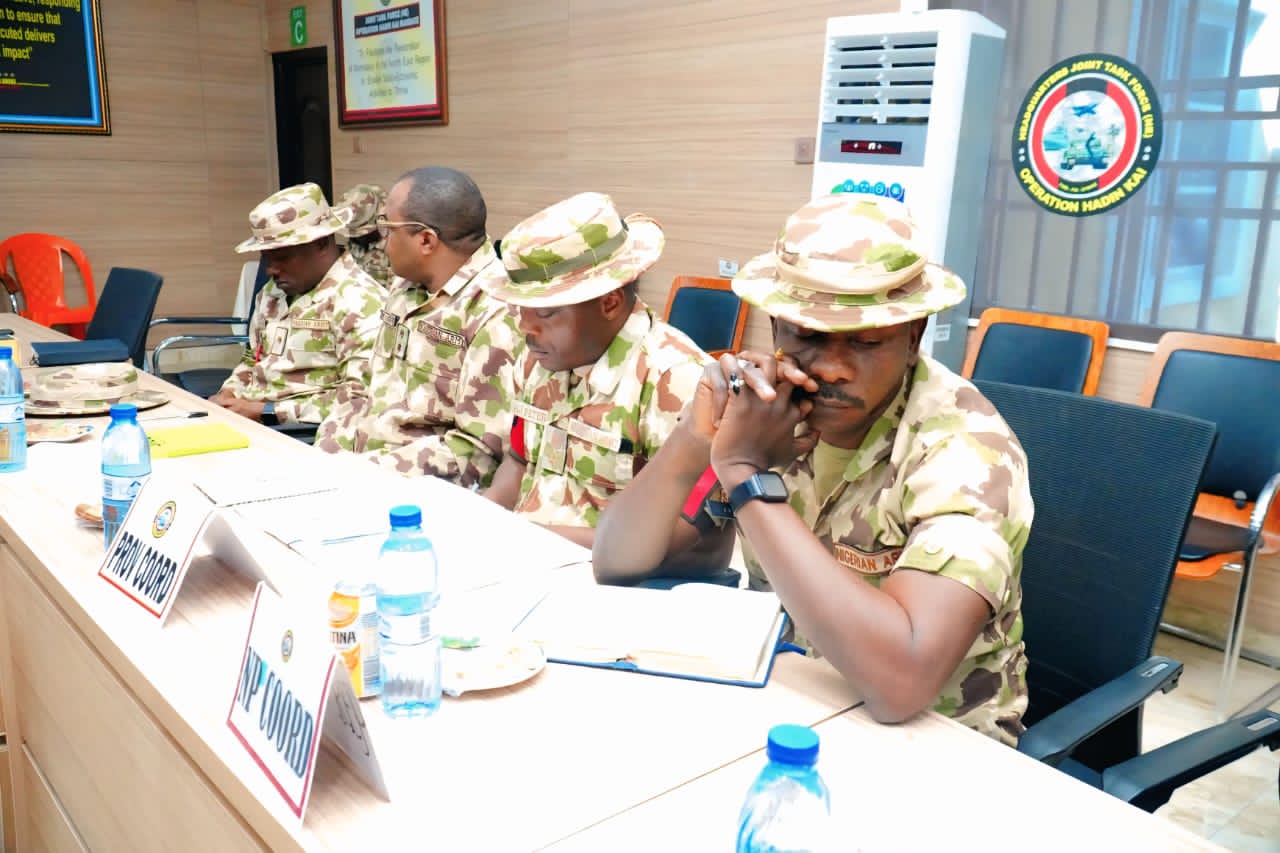
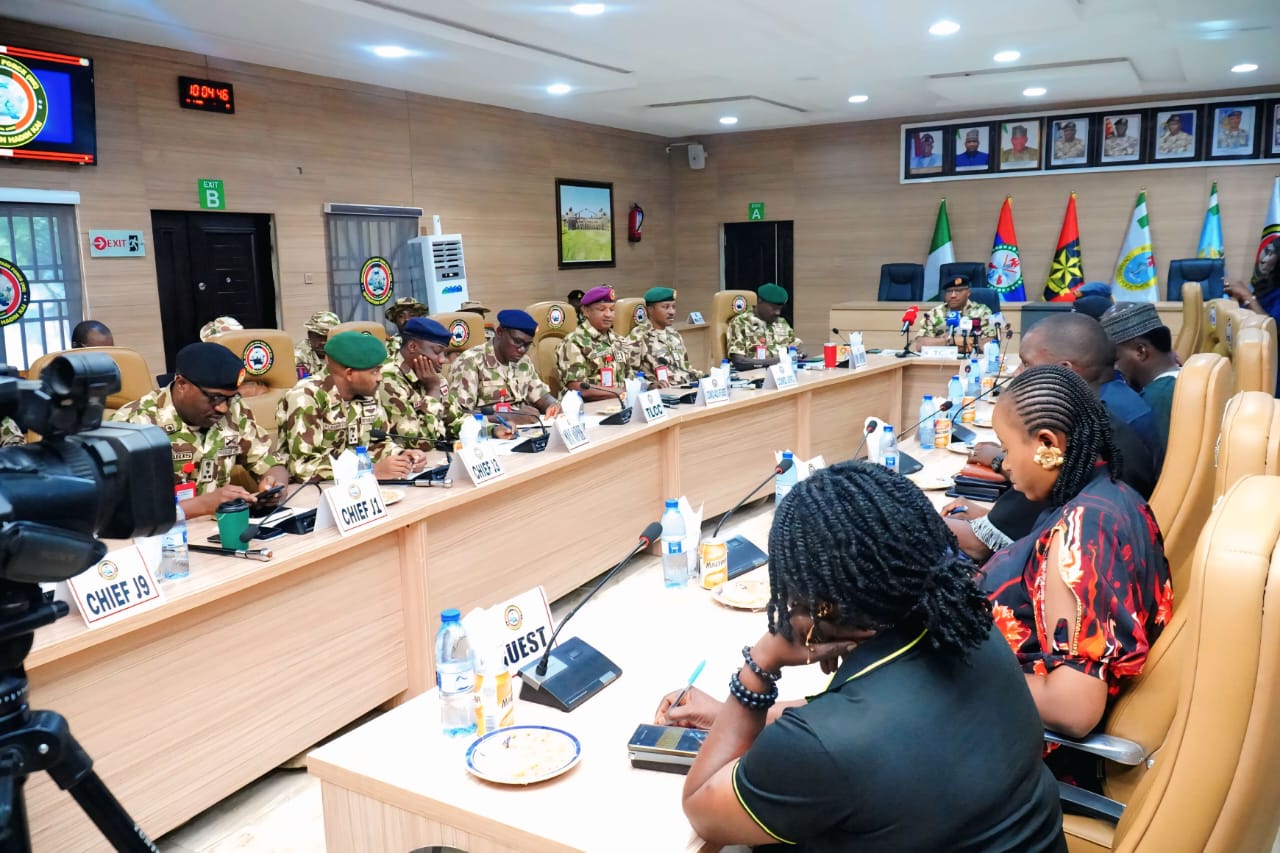
Under his leadership, Operation HADIN KAI has strengthened its open-door policy, holding regular briefings with journalists and stakeholders. These engagements have improved accuracy in reporting and ensured that military successes are properly contextualized. Rather than focusing solely on casualties, the command now emphasizes broader operational outcomes and community impact.
At the core of Major General Abubakar’s strategy is an aggressive and sustained kinetic campaign across critical flashpoints. Troops are simultaneously engaging terrorists in the Sambisa Forest, Timbuktu Triangle, Mandara Mountains, and Lake Chad Islands—areas long regarded as insurgent strongholds.
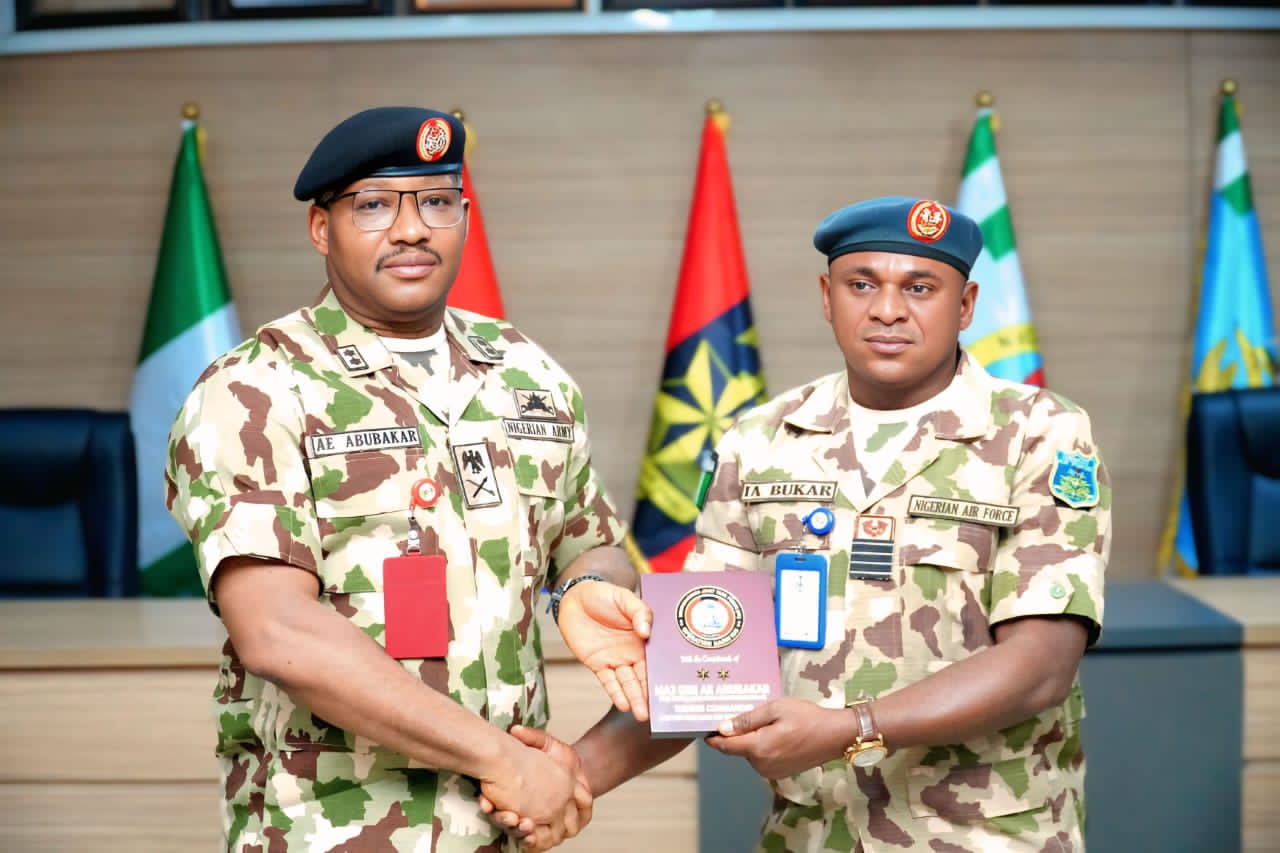
Following matching orders from military high command, intensive operations have been launched on all fronts. These offensives, supported by air power and real-time intelligence, have disrupted terrorist supply lines, destroyed camps, and dismantled operational networks.
The results have been significant. Over the past months, thousands of insurgents have been neutralized, while more than 16,000 fighters and collaborators have surrendered under mounting pressure. These mass defections, according to the Theatre Commander, reflect the success of sustained military dominance and psychological operations.

“When terrorists are kept on the back foot,” he notes, “citizens can sleep with their two eyes closed.”
A major pillar of current success is intelligence-driven operations. Under Abubakar’s leadership, Operation HADIN KAI has deepened cooperation with international partners, particularly the United States. This partnership has enhanced access to high-level intelligence, enabling precision airstrikes and targeted ground operations.
Credible intelligence has led to the elimination of dozens of high-value targets. From late 2025 to date, more than 5,300 key terrorist leaders have reportedly been neutralized, including notorious commanders with multimillion-naira bounties.
These “leadership decapitation” operations have weakened insurgent command structures and disrupted decision-making processes, reducing their capacity to plan large-scale attacks.
Beyond combat operations, Major General Abubakar has placed strong emphasis on civilian protection. Recognizing that security is inseparable from livelihoods, Operation HADIN KAI has institutionalized farm patrols during planting and harvest seasons. Troops escort farmers to their fields and secure rural routes, allowing agricultural activities to resume safely.
Humanitarian escorts are also provided daily to United Nations agencies and non-governmental organizations delivering aid to remote communities.
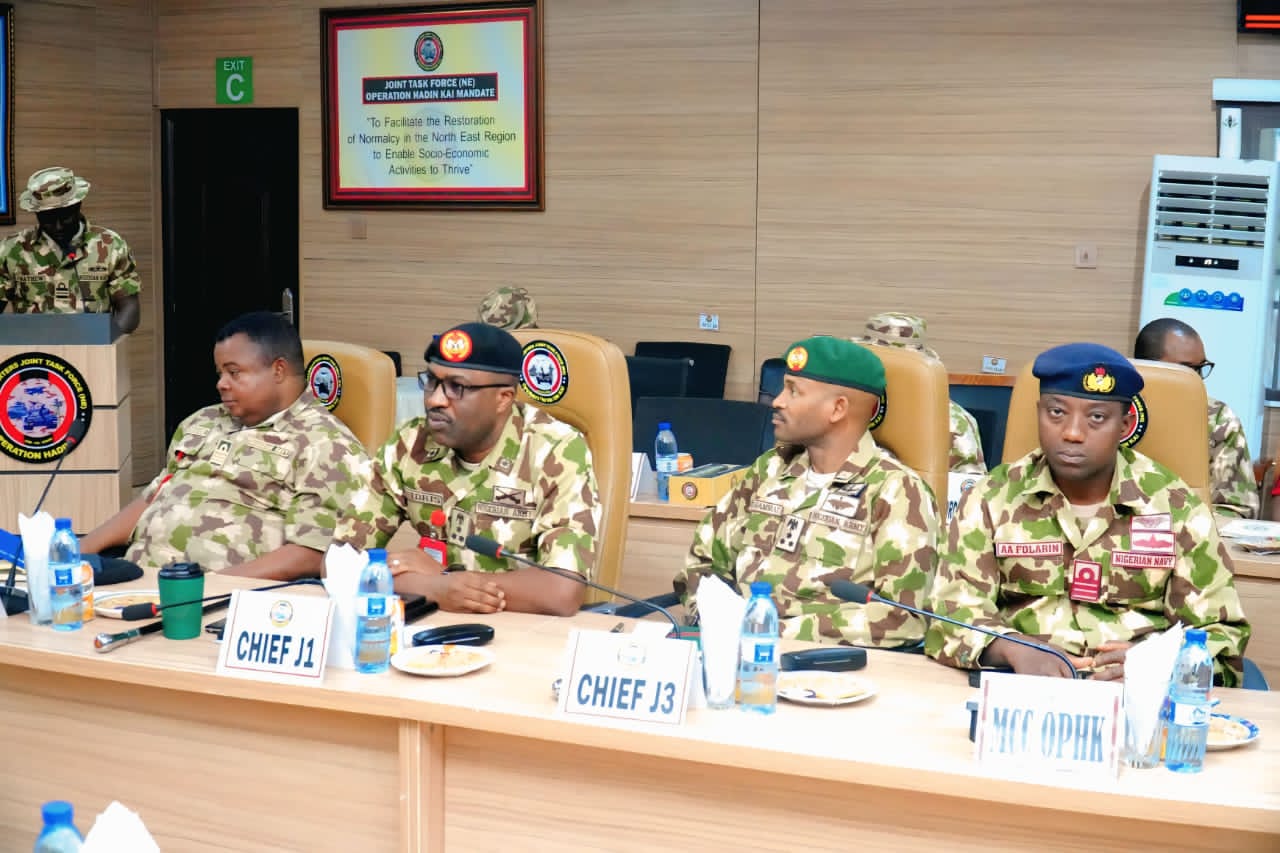
These efforts have helped restore dignity and stability to displaced populations.
In addition, vulnerable communities—especially in newly created Sector Four in northern Adamawa—receive focused protection. Many of these areas are isolated and difficult to access, with poor road networks that challenge troop mobility. Yet, despite these constraints, the command continues to deploy based on daily threat assessments.
One of the most enduring legacies of Abubakar’s leadership lies in stabilization operations. These initiatives aim to create conditions for displaced persons to return to their ancestral homes and rebuild their lives.
Communities such as Malam Fatori, Kukawa, and Baga have witnessed phased resettlements, with over one million households reportedly reintegrated. Fishing, trading, and farming have been revived in areas once deserted.
Maimalari and several border communities are also undergoing revitalization. Formerly abandoned posts are being reactivated, while roads linking Nigeria to neighboring countries are being rehabilitated to boost trade and surveillance.
These efforts, often carried out in collaboration with state governments, demonstrate a holistic approach to security—one that views peace as more than the absence of violence.
Another critical front in the campaign is logistics regulation. Terrorist groups rely heavily on fuel, food, and local support networks. Operation HADIN KAI has intensified operations to disrupt these supply chains.
In the first quarter alone, troops intercepted over 10,000 litres of petroleum products meant for insurgents. Markets and transport routes are monitored, while community sensitization programs discourage collaboration.
As Abubakar often explains, “You must separate the fish from the water—the terrorists from the population.”
This approach combines enforcement with education, ensuring communities understand the consequences of aiding insurgents.
Facing mounting losses in conventional combat, terrorists have increasingly resorted to suicide bombings and improvised explosive devices (IEDs). In response, the command has upgraded counter-IED capabilities and revised standard operating procedures.
Following recent attacks, security forces arrested multiple would-be suicide bombers and dismantled entire cells, including masterminds hiding within urban centers. Specialized units now patrol high-risk corridors, while major roads are being rehabilitated to eliminate hiding spots for explosives.
These measures have significantly reduced successful attacks in recent months.
The Lake Chad waterways remain strategically vital for insurgent movement and smuggling. Under Abubakar’s direction, amphibious units have cleared over 13 kilometers of waterways, enabling deeper penetration into island territories.
Though painstaking and slow, this operation is steadily denying terrorists access to vital economic and transit routes. As clearance progresses, security forces are preparing to extend operations closer to international borders.
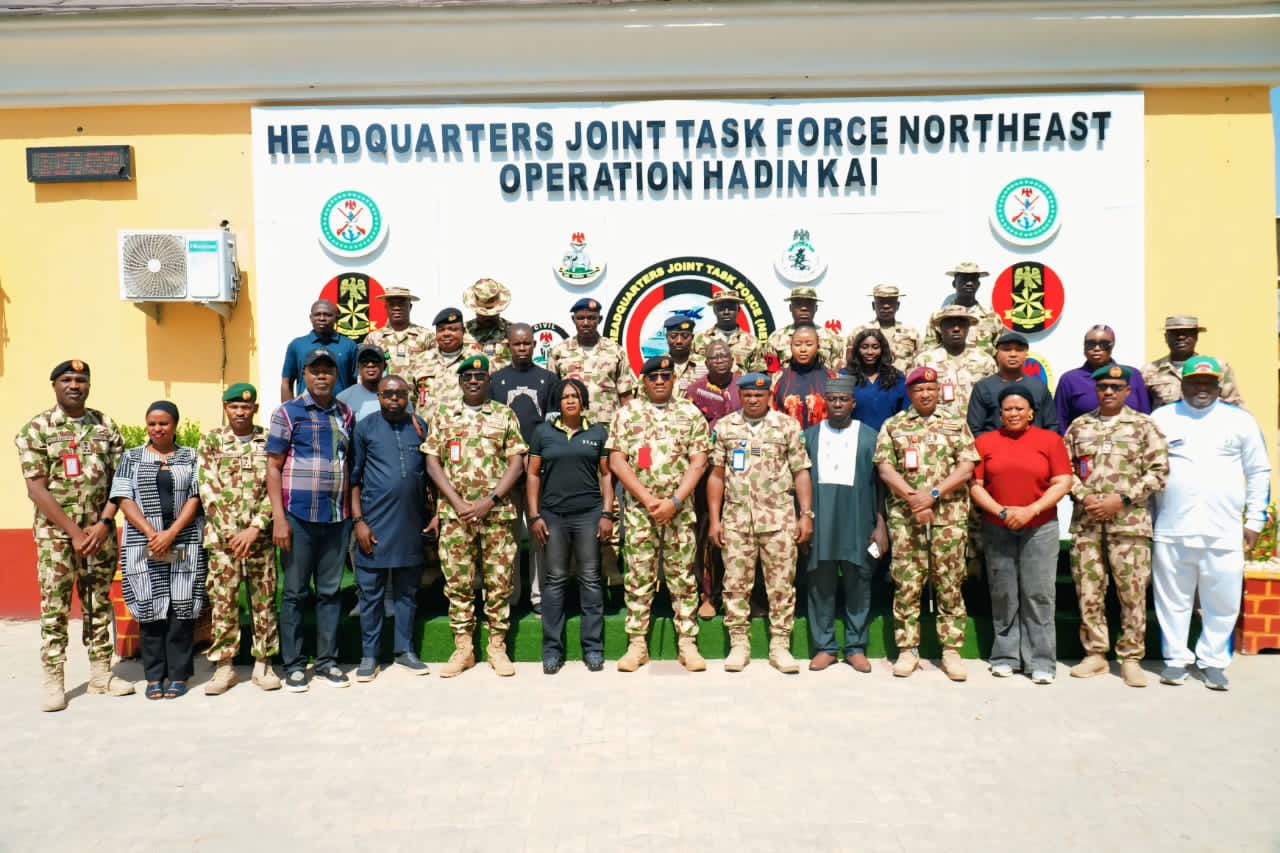
Perhaps the most defining aspect of Major General Abdulsalam Abubakar’s leadership is his insistence on a whole-of-society approach. He constantly reminds Nigerians that terrorism is not a war against the military alone but against the nation.
Through continuous stakeholder engagement, town hall meetings, and media collaboration, the command has strengthened public cooperation. Communities now provide timely intelligence on suspicious movements, enabling rapid intervention.
This growing trust has translated into improved operational outcomes and fewer civilian casualties.
Today, signs of recovery are visible across much of the North-East. Markets are reopening, schools are functioning, and infrastructure is expanding. Airlines are preparing to increase services, while investors are gradually returning.
These developments reflect a security environment that, while still fragile, is steadily improving.
With new platforms, modern equipment, and enhanced training, Operation HADIN KAI under Major General Abdulsalam Abubakar is better equipped than ever. His blend of strategic vision, operational discipline, and human-centered leadership has repositioned the campaign against terrorism.
As Nigeria continues its long march toward lasting peace in the North-East, Abubakar’s leadership stands as a testament to what focused command, institutional cooperation, and national unity can achieve in the face of adversity.
About the Author