
 Odita Sunday



NAF, Police EOD Team Intensify Counter-IED Training for Special Forces in Bauchi
By Odita Sunday
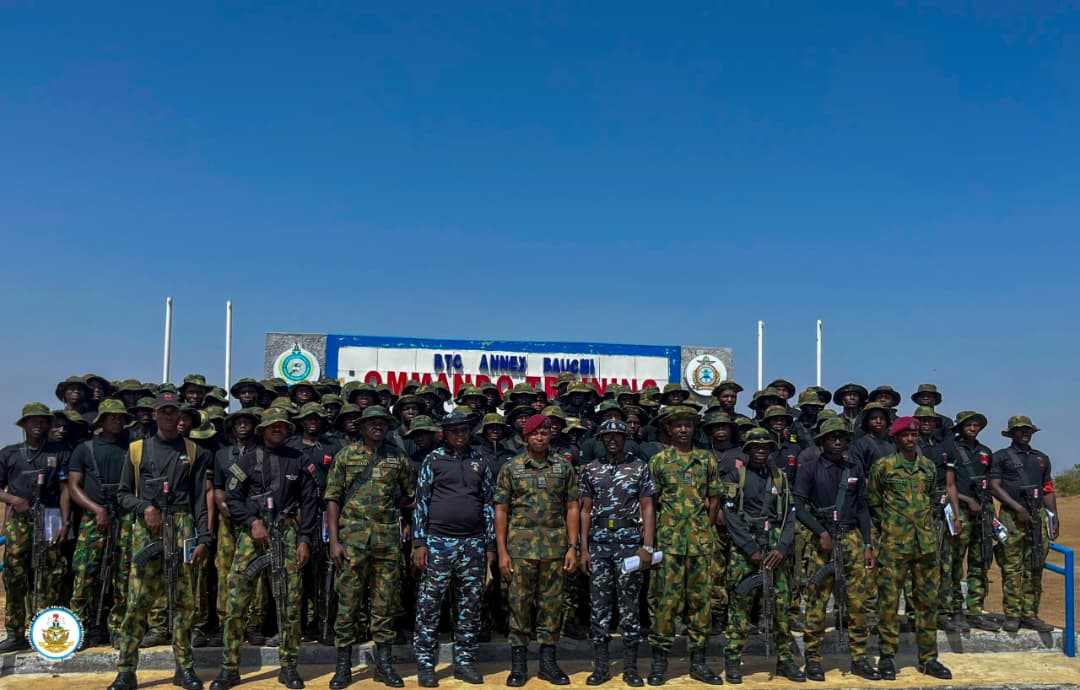
As insurgents and criminal elements increasingly deploy improvised explosive devices to target security personnel, the Nigerian Air Force (NAF) has intensified efforts to strengthen the counter-IED capabilities of its special forces through a specialised training exercise in Bauchi State.
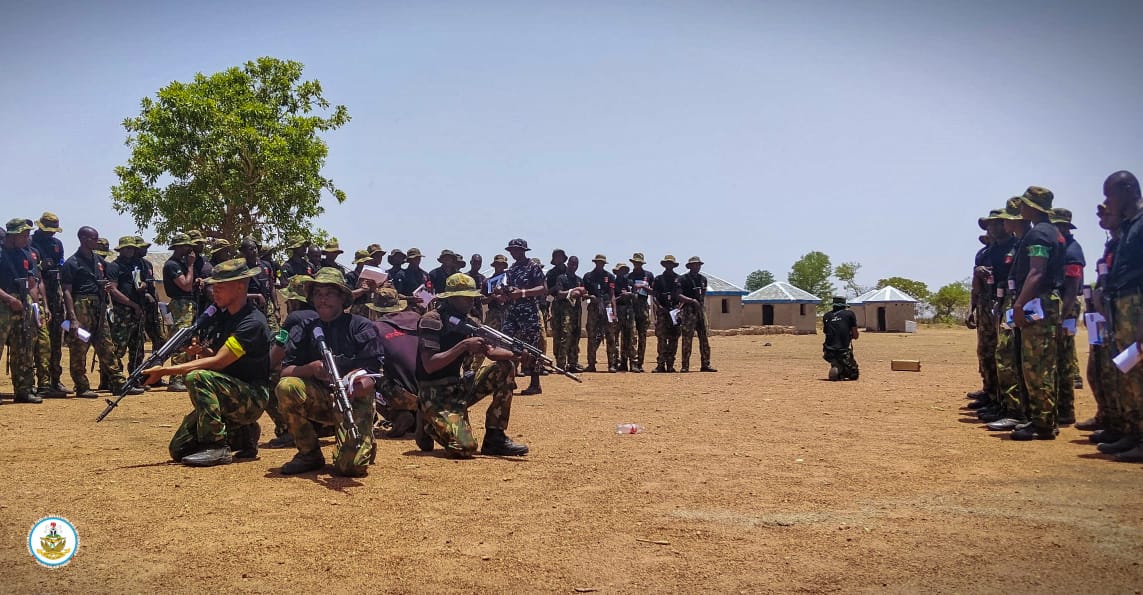
The training, conducted by the NAF Regiment Training Centre Annex (RTCA), Bauchi, in collaboration with the Explosive Ordnance Disposal (EOD) Unit of the Nigeria Police Force (NPF), Bauchi State Command, focused on the identification and handling of Improvised Explosive Devices (IEDs) for participants of Special Forces Course 13/2026.
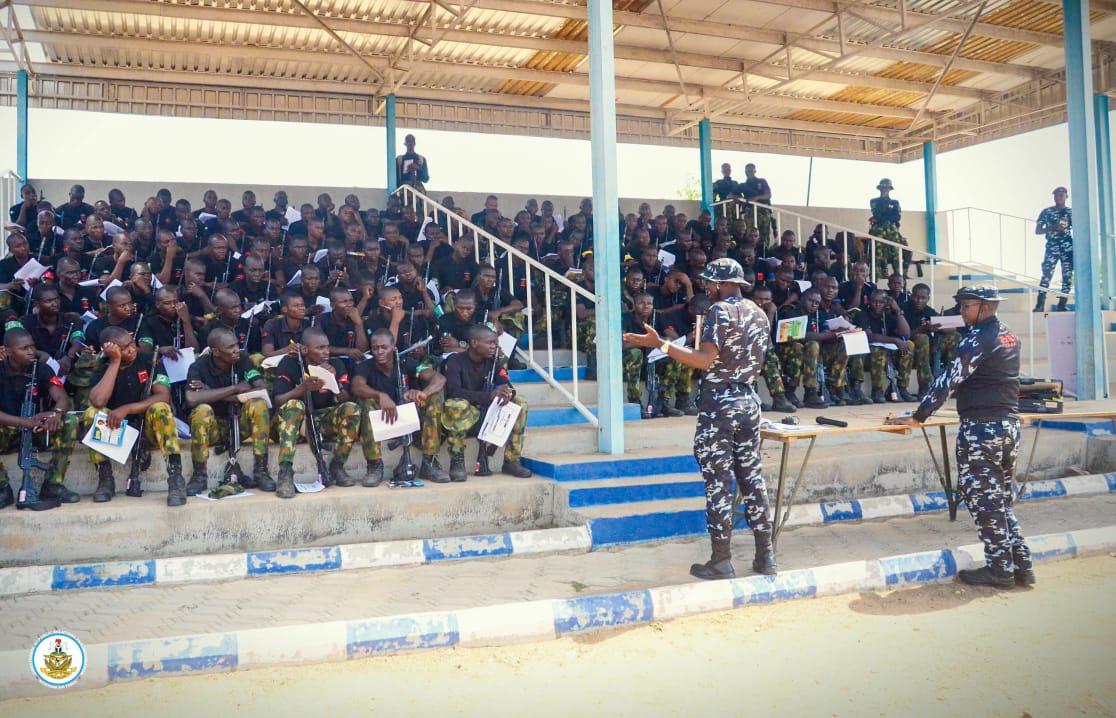
The exercise was designed to sharpen the trainees’ situational awareness, improve force protection measures, and enhance operational effectiveness in combating explosive threats within modern conflict environments.
Speaking during the exercise, the Commandant of RTCA Bauchi, Squadron Leader Lawrence Akpan, said the initiative aligns with the centre’s mandate to produce resilient and combat-ready special forces personnel capable of operating effectively in volatile and complex operational theatres.
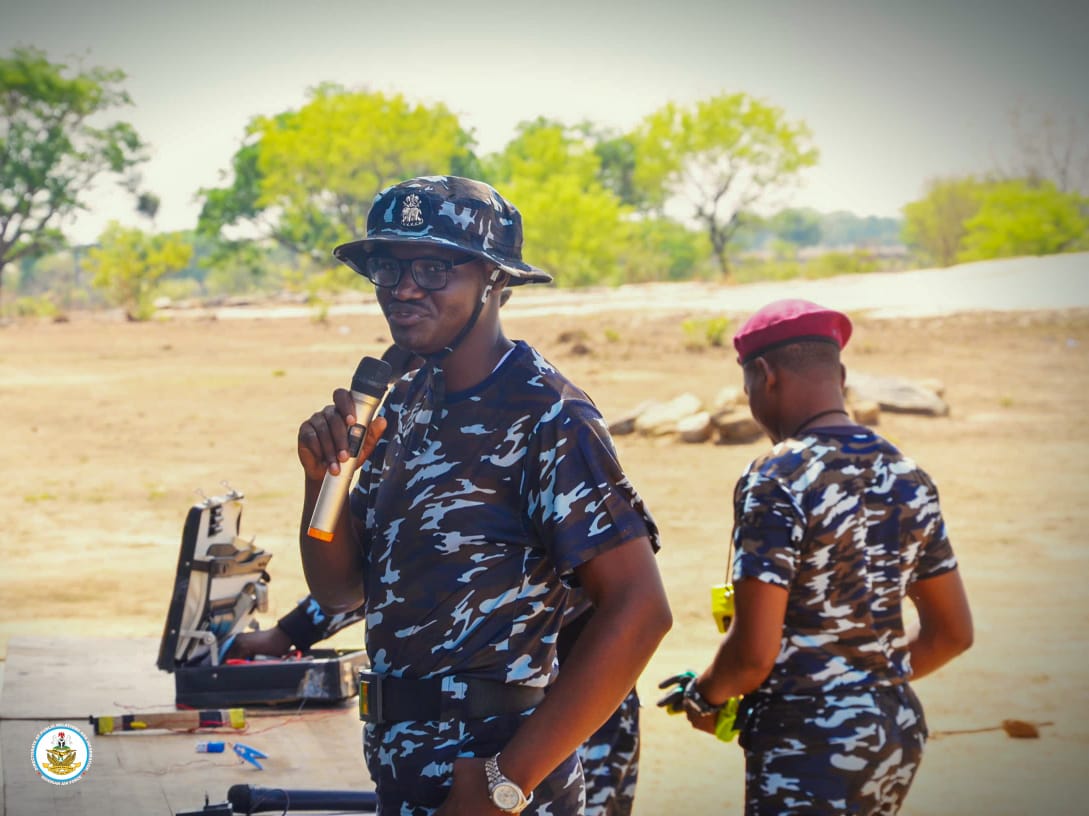
He stressed the importance of equipping personnel with tactical knowledge to detect, identify, and safely respond to explosive threats during operations, noting that realistic training remains critical in addressing emerging security challenges.
Akpan further disclosed that the Chief of the Air Staff, Air Marshal Sunday Kelvin Aneke, has continued to prioritise mission-oriented training, operational adaptability, and capacity development to ensure NAF personnel remain proactive and decisive in counterterrorism and other special operations.
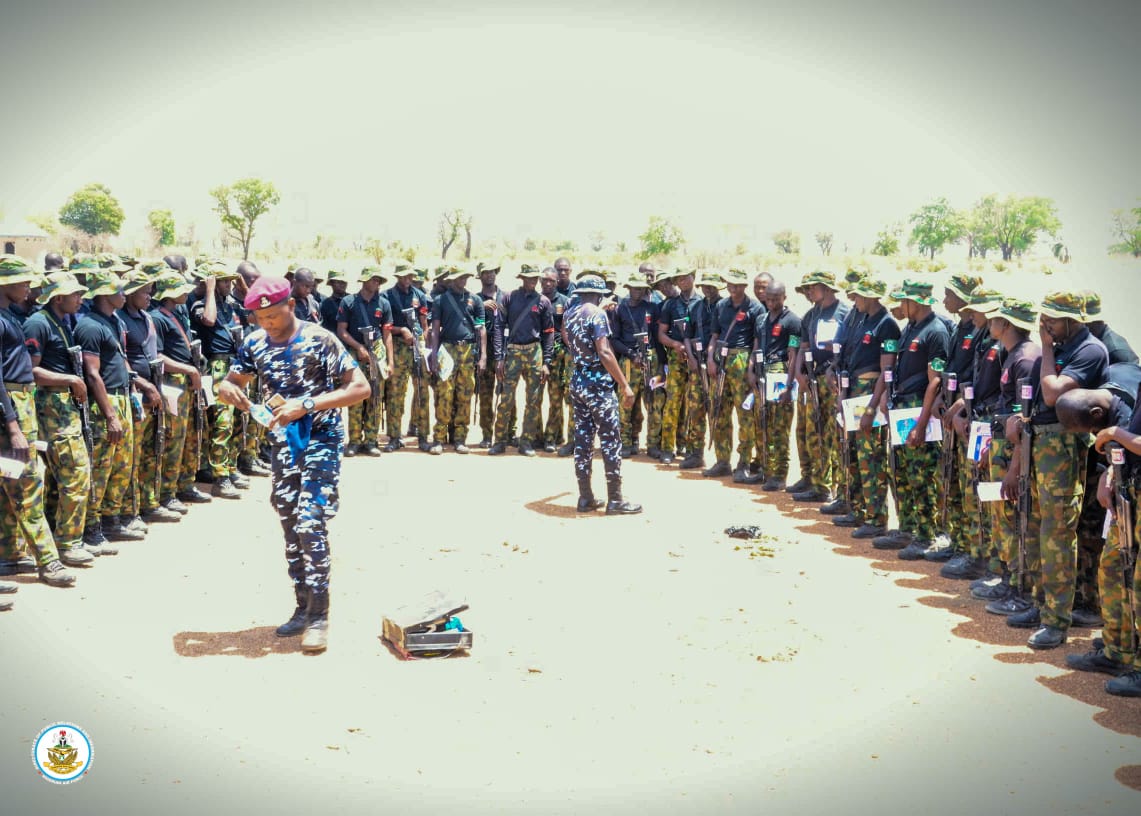
During the practical sessions, trainees were exposed to different forms of IEDs, threat indicators, and safety procedures relevant to combat operations.
The NPF EOD Team also carried out practical demonstrations on the detonation mechanisms of pressure plate IEDs and educated participants on the major components of explosive devices, including initiators, charges, power sources, containers, and switch mechanisms.
Security experts at the exercise noted that the collaboration highlights the growing importance of inter-agency cooperation in strengthening Nigeria’s security architecture and improving operational responses to insurgency, terrorism, and other asymmetric threats.
About the Author