 Odita Sunday



By Odita Sunday
The National Emergency Management Agency (NEMA) has commenced the review of the National Disaster Management Framework (NDMF) and the National Disaster Response Plan (NDRP) as part of efforts to strengthen Nigeria’s disaster management architecture and address emerging risks.
According to Mrs. Zubaida Umar, Director-General of NEMA, the review has become necessary due to the country’s evolving disaster risk landscape, which includes severe flooding, climate-related hazards, conflict-induced displacement, disease outbreaks, urban emergencies, transportation accidents and other complex humanitarian challenges.
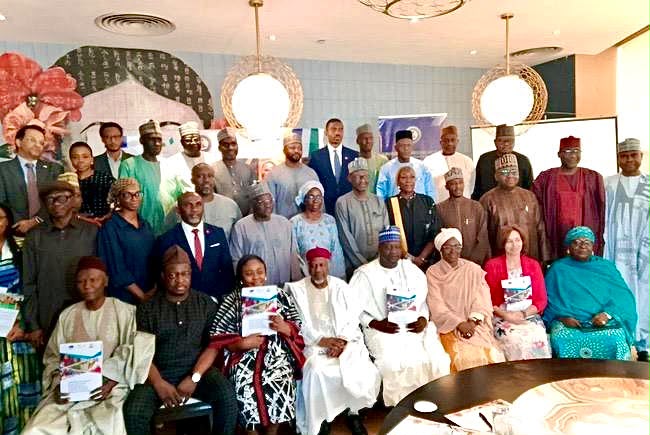
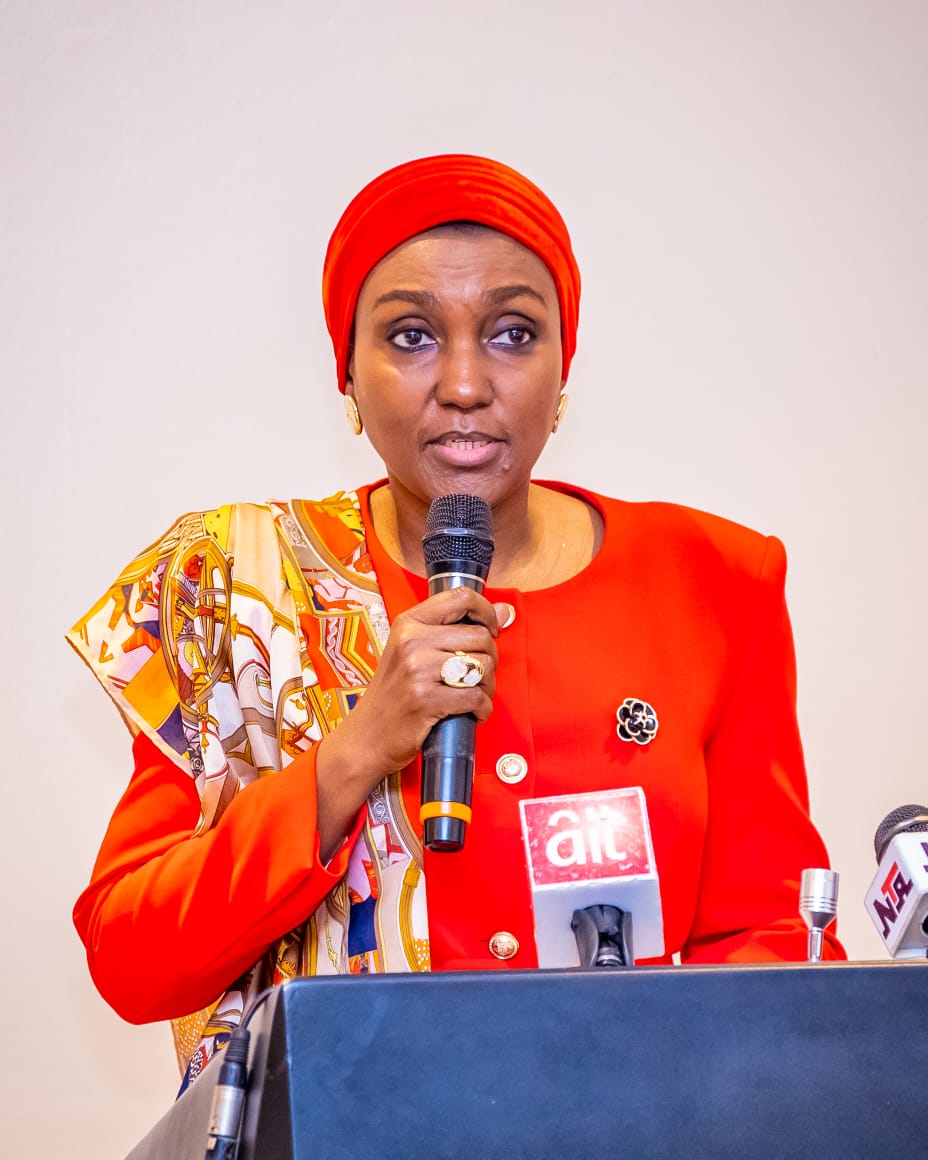
Speaking at the inception workshop in Abuja on Wednesday, Umar said the existing framework and response plan had provided valuable guidance over the years but required updating to remain relevant and effective in addressing current realities.

She explained that the review would help strengthen coordination among stakeholders, improve early warning and response systems, address identified gaps in emergency response structures and integrate emerging threats such as climate change and insecurity into disaster management planning.
”The review presents an opportunity to strengthen coordination among stakeholders, improve early warning and early action systems, address gaps in response structures, integrate emerging risks such as climate change and insecurity, and ensure that vulnerable groups are adequately considered in disaster planning and response,” she said.
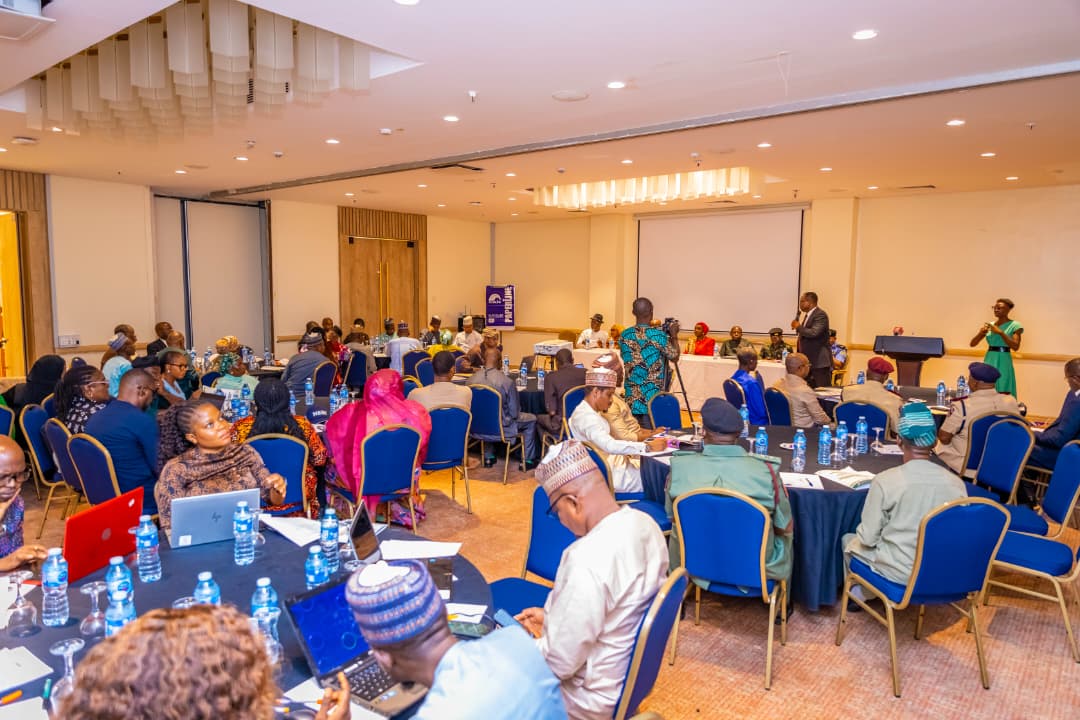
Umar urged participants to bring their technical expertise and field experience to bear on the exercise to ensure the development of practical and implementable documents capable of improving disaster management in the country.
She expressed confidence that the process would produce robust and inclusive frameworks that would enhance disaster risk reduction and emergency response efforts for years to come.

The NEMA Director-General also acknowledged the support of the World Bank Group and the Advocacy for Women with Disabilities Initiative (AWWDI), as well as the Disabilities Rights Fund, for their contributions to the review process.
Also speaking, Dr. Francis Nkoka, Senior Disaster Risk Management Specialist at the World Bank Group, reaffirmed the institution’s commitment to supporting the review through technical and financial assistance.
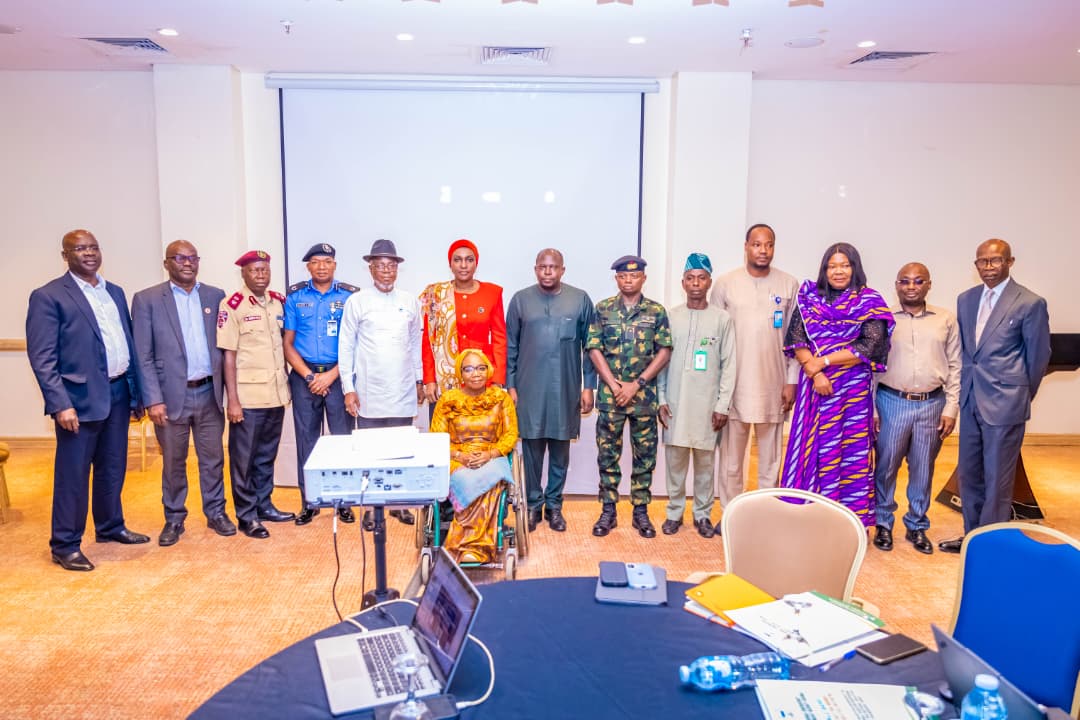
Nkoka described the exercise as evidence of the shared commitment between the World Bank and NEMA to strengthen disaster risk management and build resilience across Nigeria.
He commended Umar for initiating the review and pledged the World Bank’s continued support for programmes aimed at improving disaster preparedness and response mechanisms nationwide.
In her remarks, the Executive Director of the Advocacy for Women with Disabilities Initiative, Mrs. Patience Obolo Dickson, praised NEMA for adopting an inclusive and consultative approach to the review process.

She noted that disasters often have a disproportionate impact on vulnerable groups, particularly women, children and persons with disabilities, and expressed optimism that disability inclusion would be mainstreamed across all aspects of disaster management.
Earlier, the Director of Planning, Research and Forecasting at NEMA, Dr. Godwin Tepikor, said the workshop marked the beginning of a comprehensive process to review and strengthen the country’s disaster management instruments in line with current realities and international best practices.
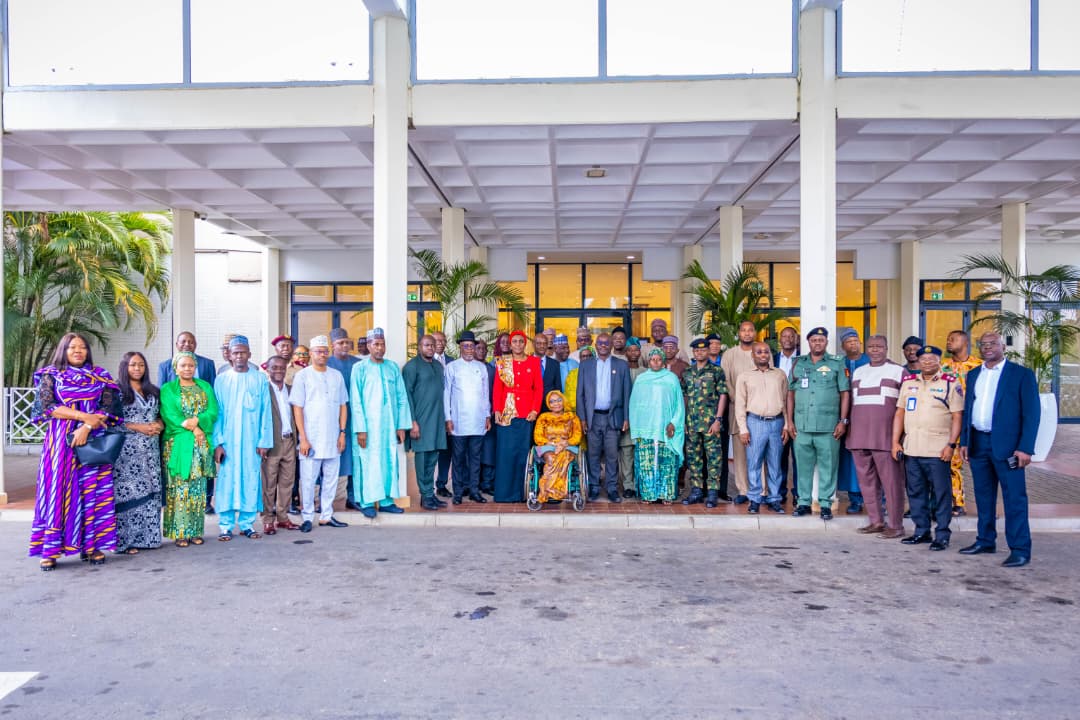
According to Tepikor, inputs from stakeholders at the workshop would form the basis for subsequent zonal consultations and the eventual development of more responsive and effective disaster management frameworks for Nigeria.
About the Author