 Odita Sunday



Police, Army, NDLEA Close Ranks in Delta as CP Yemi Oyeniyi Pushes Unified War Against Kidnapping, Drug Crime
By Odita Sunday
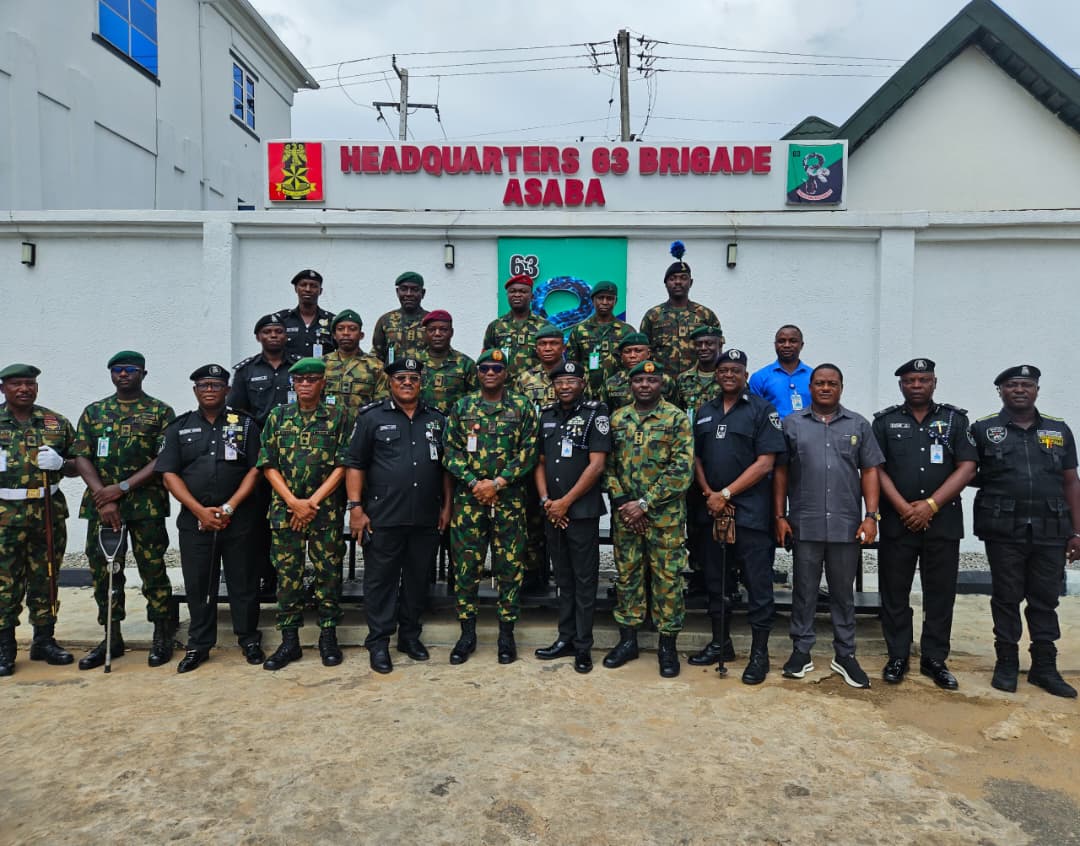
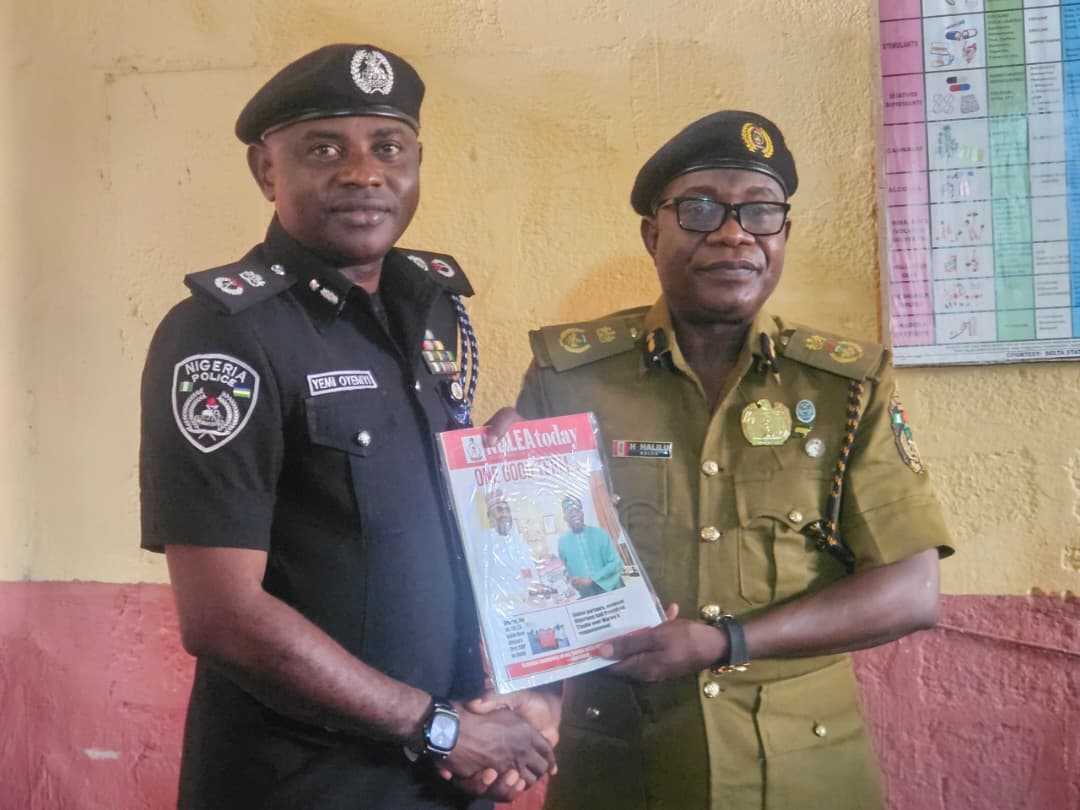
In a renewed push to confront the complex web of criminal activities in Delta State, the Commissioner of Police, Yemi Oyeniyi, has led a high-level delegation on strategic visits to the Nigerian Army’s 63 Brigade and the National Drug Law Enforcement Agency (NDLEA), calling for a more coordinated, intelligence-driven approach to tackling insecurity.
The visits, carried out on April 27, 2026, and accompanied by members of the Police Command’s management team, were aimed at strengthening inter-agency collaboration amid rising concerns over the interconnected nature of crimes such as kidnapping, armed robbery, human trafficking, and drug abuse.
Speaking during the engagements, Oyeniyi stressed that security challenges in the state cannot be effectively addressed through isolated efforts, noting that modern crime networks often overlap and reinforce one another.
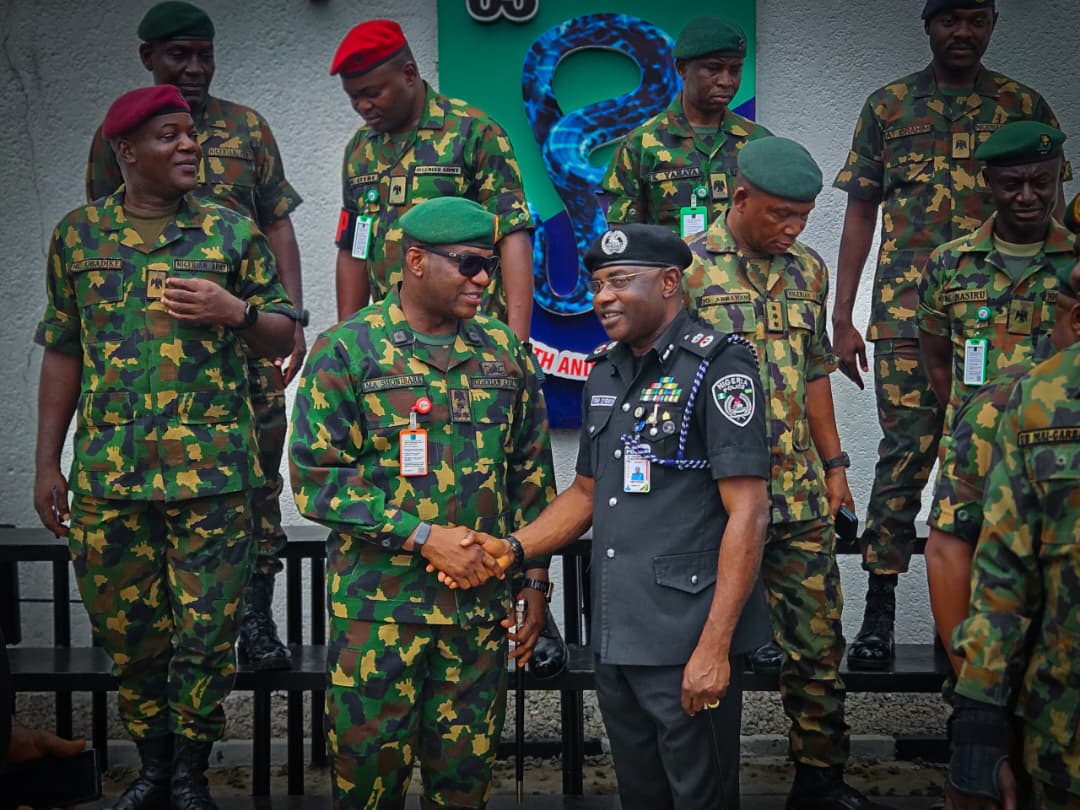
“Crimes such as kidnapping, armed robbery, child trafficking, and drug-related offences are interconnected and require a unified, intelligence-led response. No single agency can effectively address these challenges alone,” he said.
The Police Commissioner commended the Nigerian Army and NDLEA for their sustained support in maintaining law and order across the state, urging them to deepen cooperation through intelligence sharing and joint operations.
At the NDLEA Command, he drew particular attention to the growing threat of drug trafficking and abuse, describing it as a critical driver of criminality and social instability.
“Drug trafficking and abuse remain major enablers of crime and pose a serious threat to our youth. Tackling this menace requires deliberate and coordinated action among all security stakeholders,” he added.
Responding, the Brigade Commander of the 63 Brigade, Brigadier General M.A. Shonibare, reaffirmed the Army’s commitment to supporting civil authorities in combating insecurity, particularly in areas prone to violent crime.
Similarly, the NDLEA State Commander, CN Halilu Hamidu, PhD, emphasised the importance of sustained collaboration among security agencies, noting that joint efforts are essential in disrupting criminal networks.
“Intelligence sharing and coordinated operations remain key to maintaining peace and security. We are committed to strengthening our partnership with the Police and other agencies,” the commanders said.
Security analysts note that Delta State, with its mix of urban and riverine communities, faces unique security challenges that require multi-agency coordination to effectively manage.
The visits, according to observers, signal a deliberate effort by the Police Command to institutionalise synergy among security agencies, particularly in addressing crimes that cut across operational jurisdictions.
“These engagements underscore our resolve to promote a coordinated approach to crime prevention and public safety across Delta State,” Oyeniyi said.
The initiative aligns with broader national security strategies that prioritise collaboration among law enforcement and intelligence agencies as a means of improving operational effectiveness.
About the Author