
 Odita Sunday



Rising costs, brain drain worsening healthcare crisis — Alliance Hospital MD
By Odita Sunday
The Managing Director of Alliance Hospital, Dr Christopher Otabor, has warned that rising operational costs and the migration of medical professionals are worsening Nigeria’s healthcare crisis.
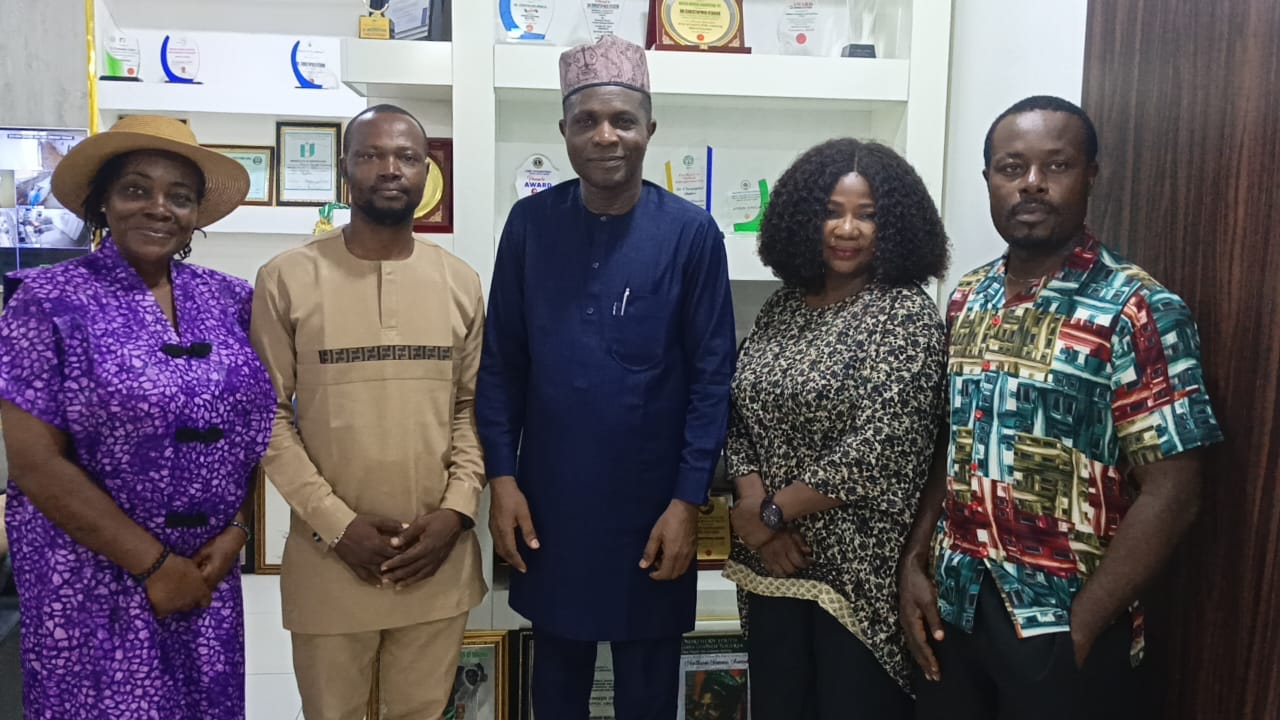
Otabor stated this during a visit by members of the Nigerian Union of Journalists, FCT Correspondents’ Chapel, ahead of the 2026 NUJ Health Conference.
The development was contained in a statement signed by Henrietta Momodu, Secretary of the chapel.

Speaking during the visit, Chairman of the chapel, Felix Ojo, commended the hospital for its support to NUJ activities and its contributions to public health.
He particularly appreciated the hospital’s sponsorship of the upcoming conference, noting that it reflects a shared commitment to improving healthcare awareness and strengthening partnerships.
“The NUJ Health Conference 2026 is designed as a solution-driven platform to promote health awareness and wellbeing among journalists and the general public,” Ojo said.
He added that the conference would bring together key stakeholders, including policymakers and healthcare professionals, to address pressing issues in the sector.
In his response, Otabor thanked the delegation and confirmed his participation in the conference.
However, he highlighted the challenges facing healthcare providers, particularly the rising cost of operations.
He disclosed that the hospital’s diesel expenses have increased from about ₦700,000–₦800,000 monthly to between ₦1.6 million and ₦1.7 million.
Otabor attributed the rise to unstable power supply, which he said continues to put pressure on healthcare delivery.
He also noted that many Nigerians are unable to afford medical services due to worsening economic conditions.
“Whatever we give is not out of abundance but necessity,” he said.
The hospital boss stressed the importance of health education, noting that many deaths in Nigeria are preventable.
“People are dying because they lack knowledge. Ignorance is one of the costliest commodities,” he added.
Otabor further raised concerns over the migration of Nigerian doctors, stating that over 4,600 doctors have relocated to the United Kingdom in the past three years.
He attributed the trend to poor remuneration and working conditions, particularly in public hospitals.
He also criticised the government’s response to strikes in the health sector, noting that private hospitals often bear the burden during such periods.
Otabor warned that without urgent reforms, the healthcare system could face deeper challenges.
Despite this, he reaffirmed his commitment to supporting healthcare delivery and contributing to the NUJ Health Conference.
About the Author