
 Odita Sunday



Silk Road Restaurant: Abuja’s High-Rise Chinese Dining Hub Redefining Premium Hospitality
By Odita Sunday
High above the bustle of Abuja’s Central Business District, where government offices and corporate towers shape the skyline, a different kind of experience unfolds one defined by dim warm lighting, ornate Chinese décor, and the aroma of sizzling stir-fry dishes drifting through elegant corridors.
This is Silk Road Restaurant, widely recognized as one of Abuja’s largest and most prominent Chinese dining destinations, and a quiet landmark for lovers of Asian cuisine in Nigeria’s capital city.
Located inside Sinoki House along Samuel Ademulegun Avenue, the restaurant occupies a spacious upper-floor setting that immediately distinguishes it from typical dining spots.
From the moment guests step out of the elevator, the ambiance shifts red and gold accents, traditional Chinese design elements, and expansive dining halls signal a deliberate effort to blend authenticity with luxury.
A Dining Space Built for Scale and Experience
Silk Road is not just known for its menu, but for its scale. The restaurant features multiple dining sections, including private VIP rooms designed for families, business executives, and social gatherings. Some of these rooms are equipped with entertainment systems, making it a preferred location for celebrations, corporate dinners, and private events.
For many patrons, the appeal goes beyond food, it is the sense of exclusivity and space in a city where premium dining venues are still evolving.
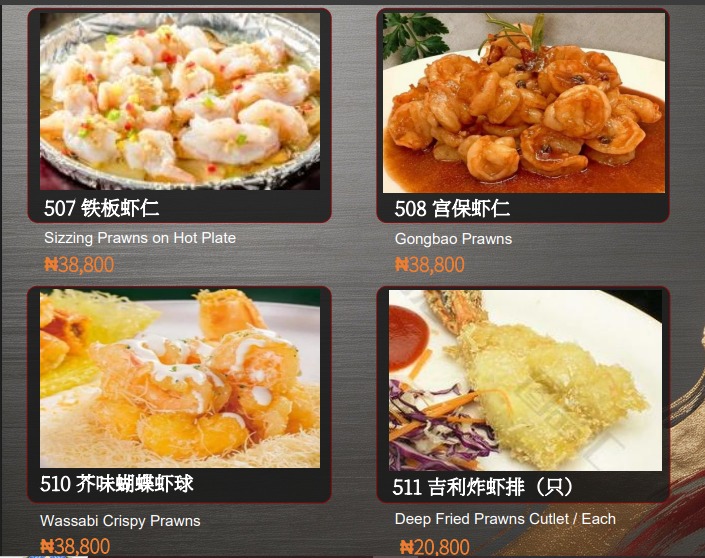
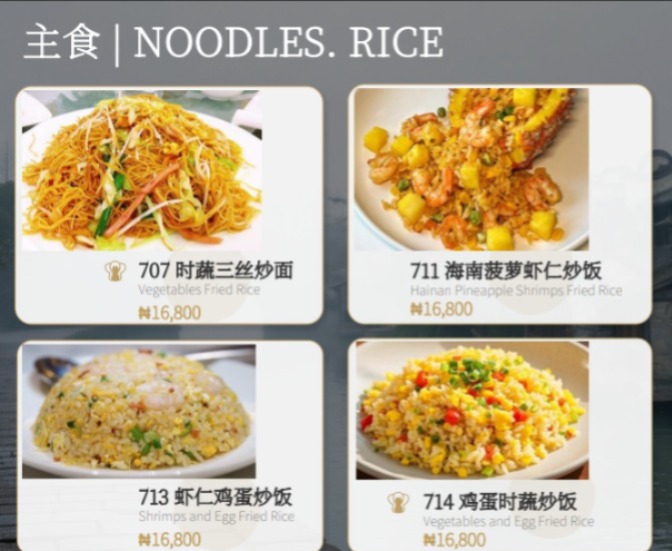
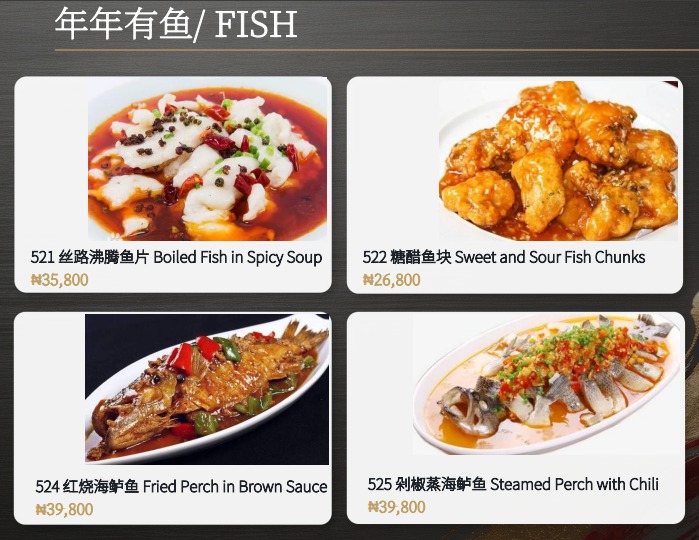
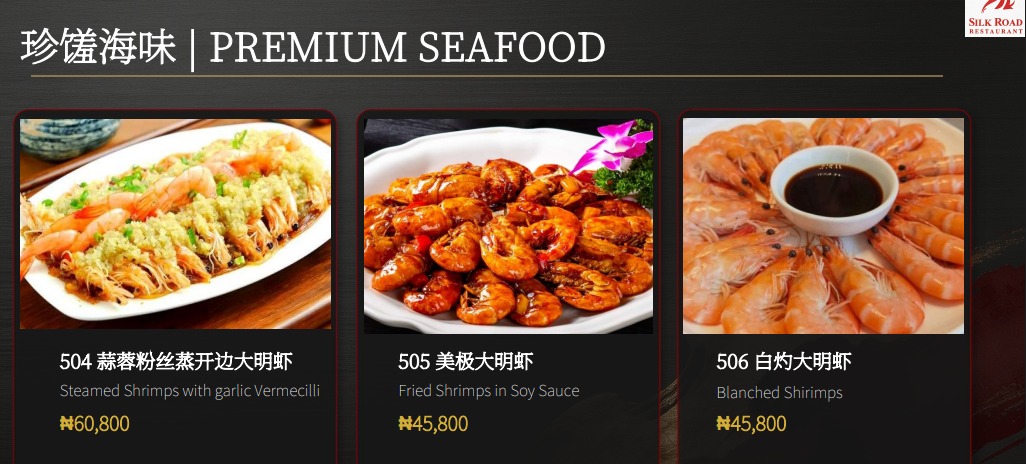
The kitchen at Silk Road focuses on traditional Chinese and Szechuan-inspired dishes, offering a wide selection that includes fried rice variations, noodle dishes, seafood specialties, soups, and signature chicken and beef preparations.
Meals are typically served in generous portions, a feature frequently highlighted by returning customers. The culinary approach leans toward bold seasoning, balancing spice, sweetness, and savoury depth in a way that appeals to both adventurous diners and those new to Asian cuisine.
Silk Road’s reputation is closely tied to its ambience soft lighting, spacious seating arrangements, and a calm atmosphere that contrasts sharply with the city outside.
While many guests praise the restaurant for its luxurious setting and flavourful dishes, experiences can vary depending on peak hours. Service efficiency and pricing are often discussed among diners, reflecting its positioning as a mid-to-upscale establishment in Abuja’s hospitality landscape.
Still, for many visitors, the overall experience remains memorable especially for group dining and special occasions.
As Abuja continues to expand as a cosmopolitan capital, restaurants like Silk Road highlight the city’s growing appetite for international cuisine and experiential dining.
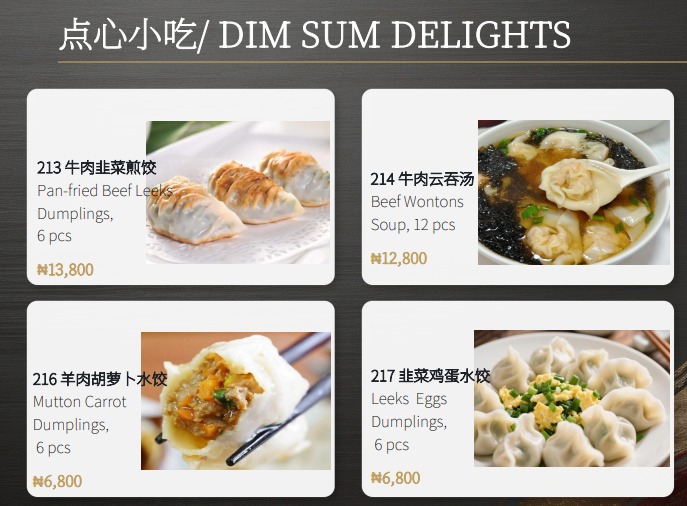
More than just a place to eat, it has become a social space where business deals are discussed over hot meals, families gather for celebrations, and visitors explore a taste of China from the heart of Nigeria.
About the Author