 Odita Sunday



As Cities Expand and Climate Threats Grow, Engineers Call for Urgent Action to Save Nigeria’s Environment
My Maryam Aminu
As floods swallow communities, heatwaves intensify and concrete steadily replaces green spaces, environmental experts have warned that Nigeria’s cities are racing against time to balance urban growth with environmental sustainability.
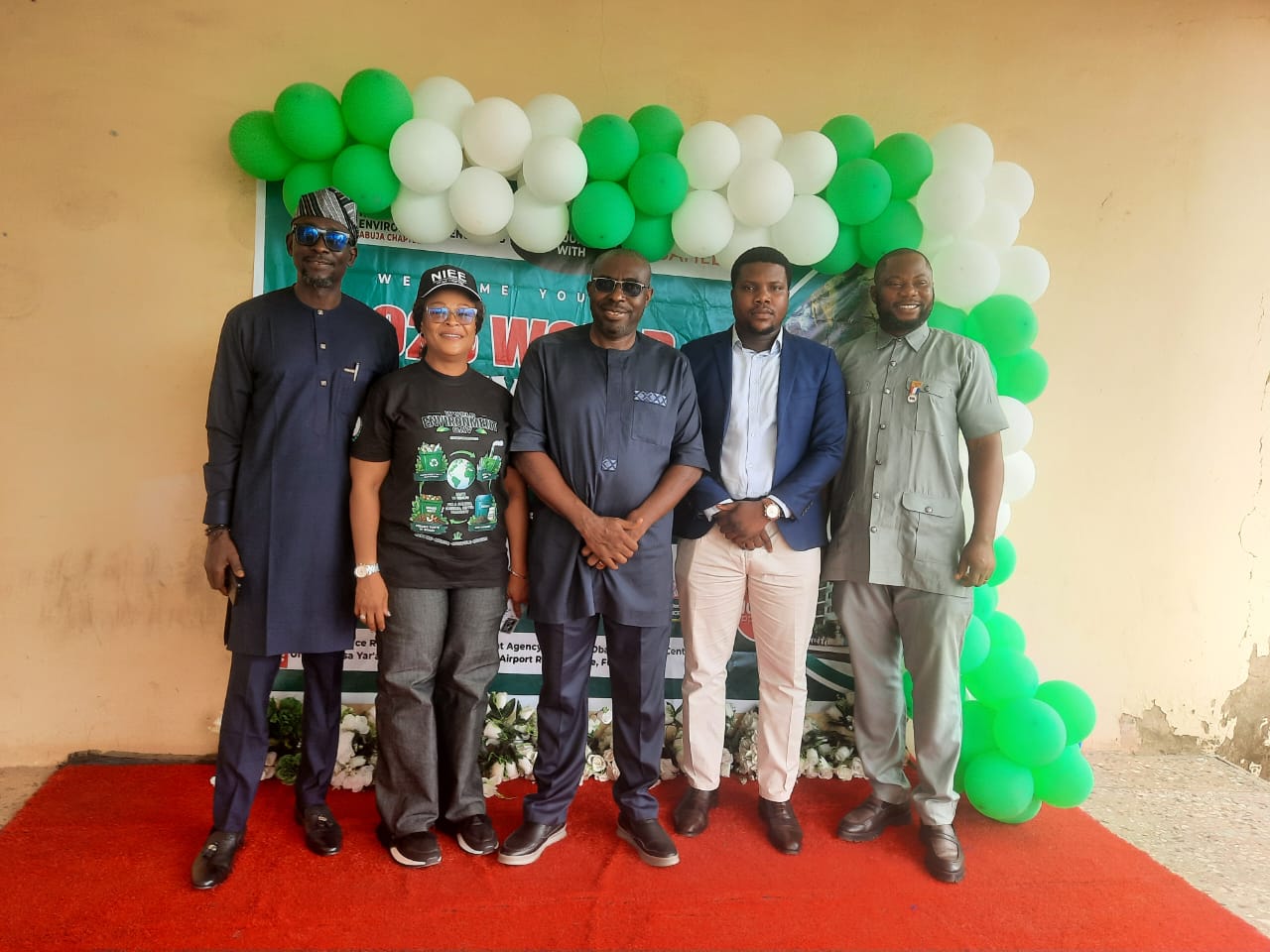
The warning echoed strongly at the 2026 World Environment Day celebration organised by the Nigerian Institution of Environmental Engineers (NIEE), Abuja Chapter, where stakeholders called for bold action to build climate-resilient cities and transform environmental challenges into opportunities for sustainable development.
Held in partnership with Sahel Consulting Agriculture and Nutrition Limited, the event brought together engineers, environmental experts, policymakers, development practitioners, students and industry leaders under the theme: “Urbanisation and Climate Change: Building Resilient Cities for a Sustainable Future.”
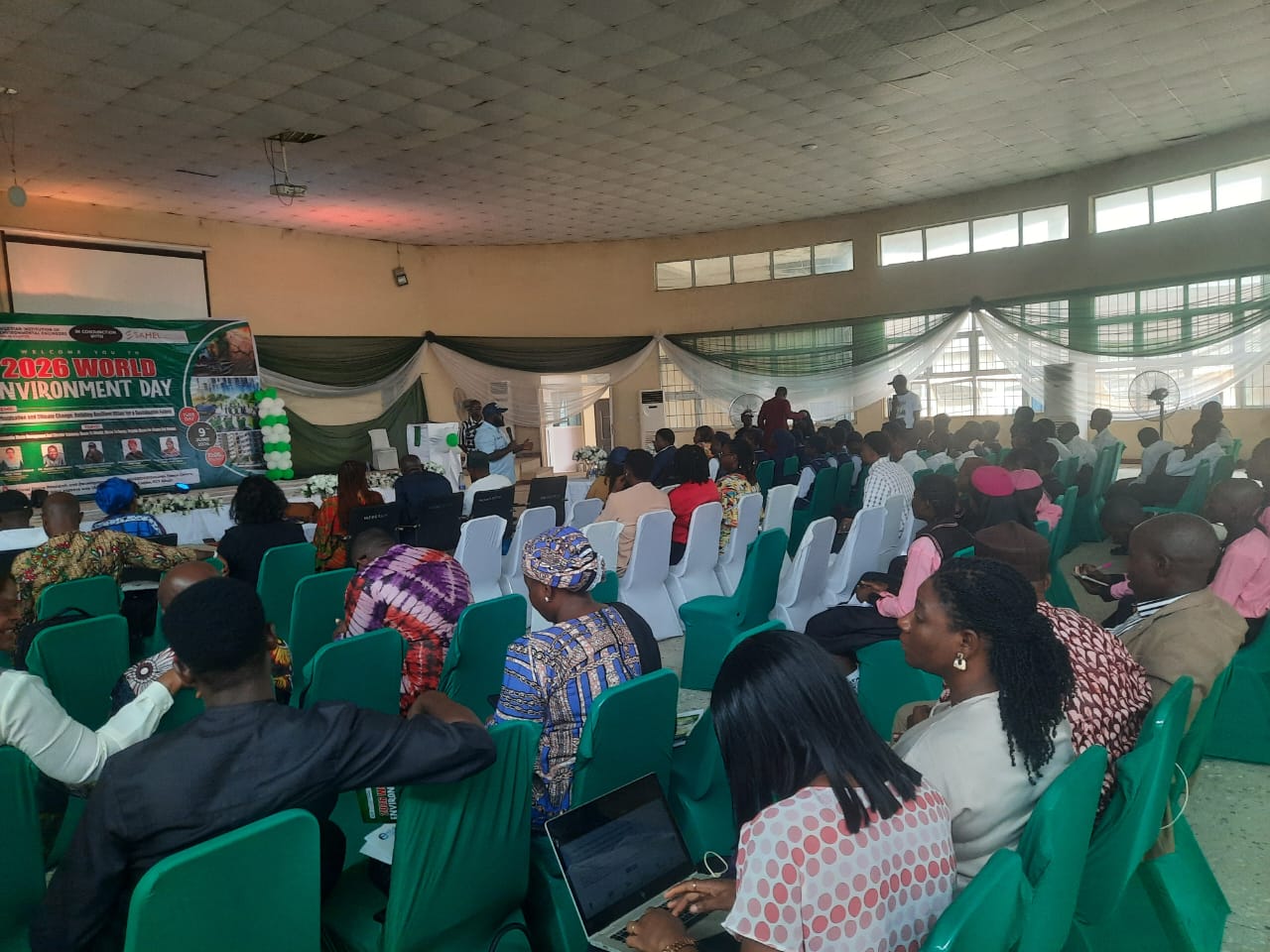
The gathering focused on practical solutions to some of the nation’s most pressing environmental concerns, including climate adaptation, sustainable urban planning, waste management and the urgent need for stronger collaboration across sectors.
In a welcome address, Chairman of the Nigerian Institution of Environmental Engineers (NIEE), Abuja Chapter, Engr. Uche Patrick-Obikile, FNSE, FNIEE, said World Environment Day serves as more than a global observance, describing it as a moment for society to evaluate its relationship with the environment and recommit to protecting the planet.
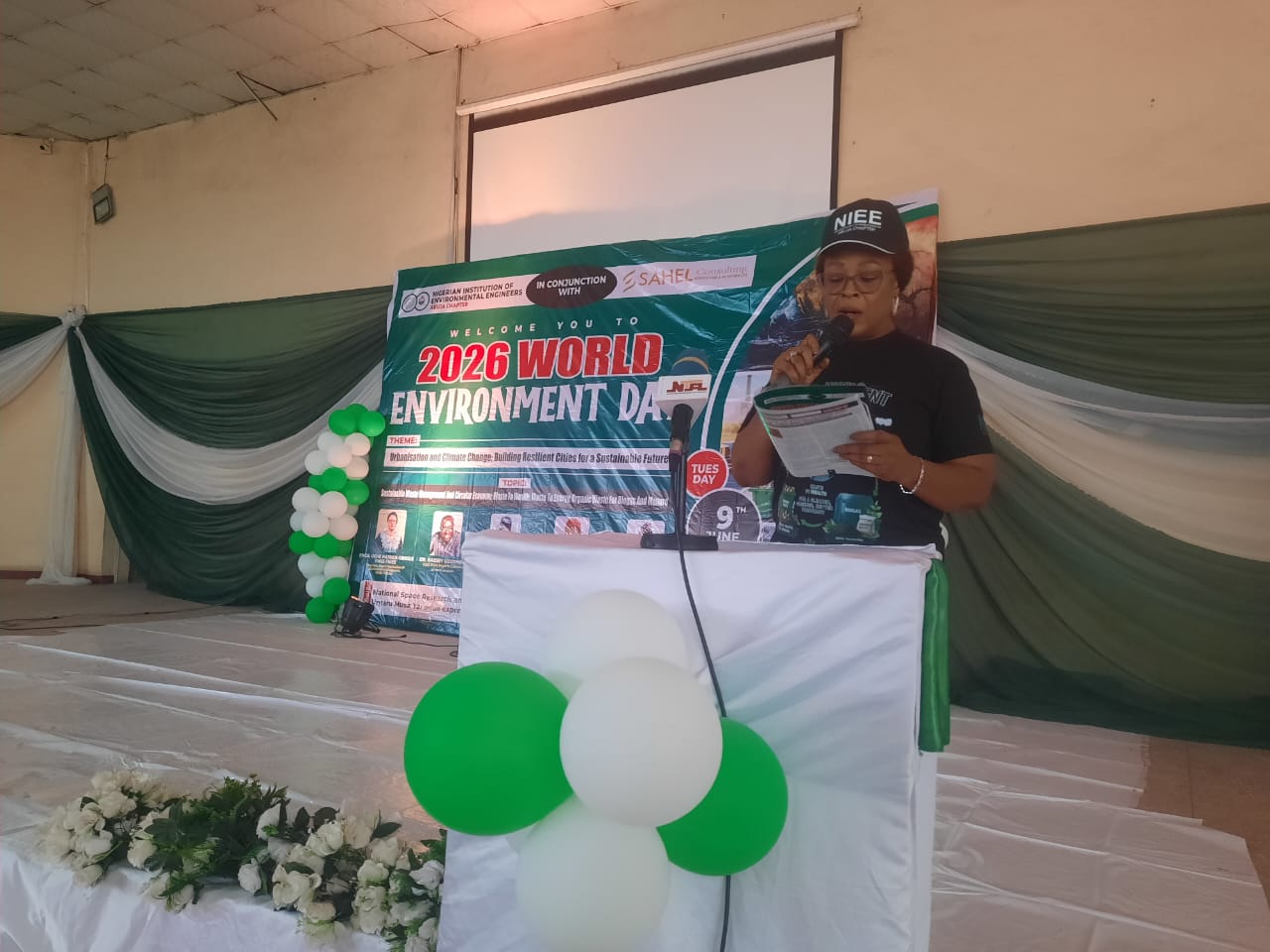
She said the environmental challenges facing modern cities are no longer distant concerns but daily realities affecting livelihoods, infrastructure and public health.
According to her, environmental sustainability can no longer be treated as the responsibility of governments alone, stressing that every sector of society must play a role in safeguarding the environment.
“Your presence here today is more than participation in an event; it is a demonstration of our shared belief that the future of humanity is inseparable from the future of our environment,” he said.
Patrick-Obikile noted that Abuja’s rapid expansion has brought enormous developmental opportunities but has also exposed weaknesses in planning, infrastructure and environmental governance.
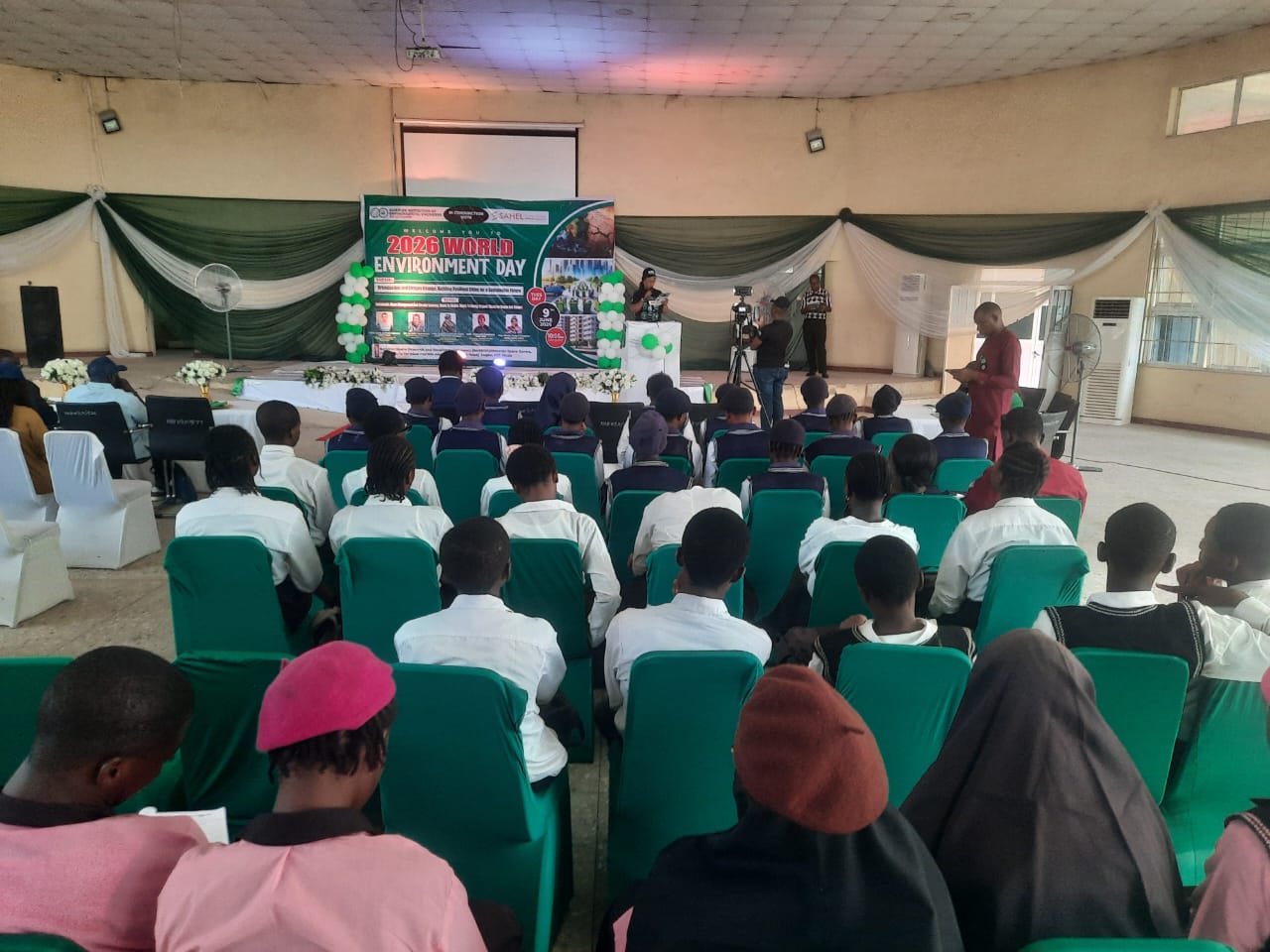
She warned that uncontrolled urbanisation, construction on flood-prone areas, blocked drainage systems and the continuous loss of green spaces are creating conditions that increase environmental risks and climate vulnerability.
“Every estate built on a floodplain, every drainage channel obstructed by poor planning and every natural space replaced by concrete represents not just a planning failure but an environmental emergency that demands immediate attention,” she stated.
The NIEE Abuja Chapter Chairman further drew attention to the event’s technical focus on ‘Sustainable Waste Management and Circular Economy: Waste to Wealth, Waste to Energy, Organic Waste for Biogas and Manure,’ describing it as one of the most transformative conversations of the decade.
She said the world is witnessing a shift from viewing waste as a nuisance to recognising it as a valuable economic resource capable of generating energy, creating jobs and supporting agricultural productivity.
“What previous generations considered refuse, modern innovation now recognises as wealth. Across the world, waste is being converted into energy, organic fertilisers and industrial inputs. The circular economy is no longer a concept for the future; it is a reality shaping sustainable economies today,” she said.
Patrick-Obikile also reserved special praise for students participating in the environmental quiz competition and the newly launched Schools Environment Club initiative, describing them as future custodians of the planet.
Addressing the young participants, she encouraged them to embrace environmental advocacy and innovation, reminding them that many of today’s leading engineers and environmental experts once sat where they now sit.
“The future belongs to those willing to learn, question and lead. We see in you a generation capable of advancing solutions that will protect our environment and secure a sustainable future for all,” he added.
Delivering his opening remarks, the National Chairman of the Nigerian Institution of Environmental Engineers and Chairman of the occasion, Engr. Caius Ikem Umekesiobi, described urbanisation as one of the most powerful forces shaping contemporary society.
He noted that while cities continue to drive economic growth, innovation and social advancement, they have simultaneously become major centres of environmental stress and climate vulnerability.
According to him, the consequences of climate change are becoming increasingly visible through recurring floods, prolonged droughts, rising temperatures and other extreme weather events that continue to place enormous pressure on urban infrastructure.
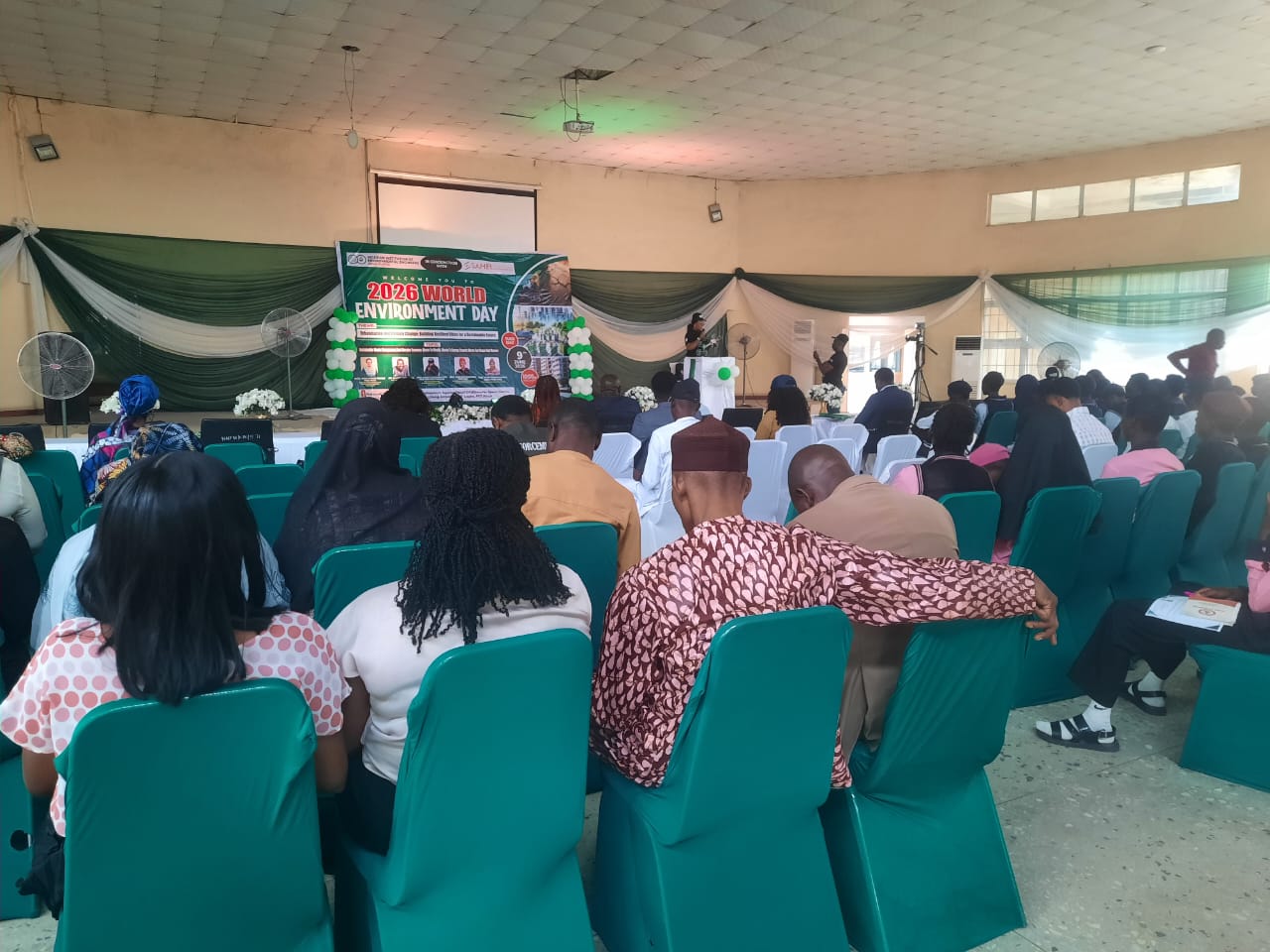
“Cities are the engines of economic development, but they are also among the largest contributors to greenhouse gas emissions and unsustainable resource consumption. The challenge before us is how to maintain growth while protecting the environment that sustains that growth,” he said.
Umekesiobi stressed that building resilient cities requires a complete rethink of how urban areas are designed, managed and developed.
He said resilience is not merely about constructing stronger buildings but about creating communities capable of adapting to environmental shocks while maintaining economic and social stability.
The NIEE National Chairman called for greater investment in green infrastructure, efficient waste management systems, sustainable transportation networks and improved water resource management.
He also urged professionals to engage more actively with governments and communities in developing policies that prioritise climate adaptation and environmental sustainability.
“Our cities must become symbols of sustainability rather than examples of environmental neglect. Every road, building, drainage system and public facility should reflect our commitment to environmental responsibility,” he stated.
Reaffirming the institution’s commitment to driving sustainable development, Umekesiobi said NIEE would continue to collaborate with local and international organisations to promote innovation, knowledge sharing and technological advancement in environmental engineering.
He challenged participants to move beyond dialogue and embrace practical action.
“The true measure of today’s gathering will not be the speeches delivered but the projects initiated, the policies influenced and the solutions implemented after we leave this hall,” he said.
Delivering the keynote presentation titled “Urbanisation and Climate Change: Building Resilient Cities for a Sustainable Future,” Chief Executive Officer of PCM Nigeria Limited, Dr. Bassey Uzodinma, called on engineers and developers to place environmental sustainability at the heart of every infrastructure project.
He observed that many of the environmental disasters experienced in urban centres today stem from development decisions that ignored ecological realities.
According to him, engineering solutions must no longer focus solely on structural performance and economic returns but must equally prioritise environmental preservation and climate resilience.
“Every engineering project interacts with the environment. The responsibility of today’s engineer is not only to build infrastructure but to ensure that such infrastructure works in harmony with natural systems,” he said.
Uzodinma urged professionals to adopt climate-smart engineering approaches capable of reducing environmental degradation while enhancing resilience against climate-related disasters.
He advocated wider adoption of green building technologies, environmentally friendly construction materials and nature-based solutions that can help cities withstand increasing climate pressures.
The keynote speaker further emphasised the importance of rigorous environmental impact assessments, warning that failure to integrate environmental considerations at the planning stage often results in long-term ecological and economic consequences.
Speaking on behalf of Sahel Consulting Agriculture and Nutrition Limited, Noah Edozie, Senior Analyst, Strategy and Business Development, drew attention to the growing impact of climate change on Nigeria’s agricultural sector and food systems.
He explained that over 35 million smallholder farmers depend on agriculture for their livelihoods, yet many now face unprecedented uncertainty due to shifting weather patterns.
“The rains no longer arrive when expected. Dry spells last longer. Floods occur with greater intensity. Farmers are increasingly forced to make critical decisions without reliable information,” he said.
Edozie noted that the consequences of climate variability extend beyond rural communities, affecting food availability, prices and economic stability in cities.

He stressed the importance of early warning systems and climate information services in helping farmers make informed decisions about planting, harvesting and resource management.
“Timely climate information can mean the difference between a successful harvest and devastating losses.
Strengthening access to climate intelligence is one of the most effective ways to build resilience across the entire food system,” he said.
He further called for increased investment in climate adaptation programmes, agricultural innovation and collaborative initiatives that bridge the gap between environmental sustainability and food security.
According to him, building resilient cities is impossible without building resilient agricultural systems capable of feeding growing urban populations despite climate challenges.
Participants agreed that addressing climate change and environmental degradation would require sustained collaboration among governments, professional bodies, development partners, private sector organisations and citizens.
About the Author