 Odita Sunday


Blue Economy TV Launches in Lagos, Targets Growth in Nigeria’s Marine Sector
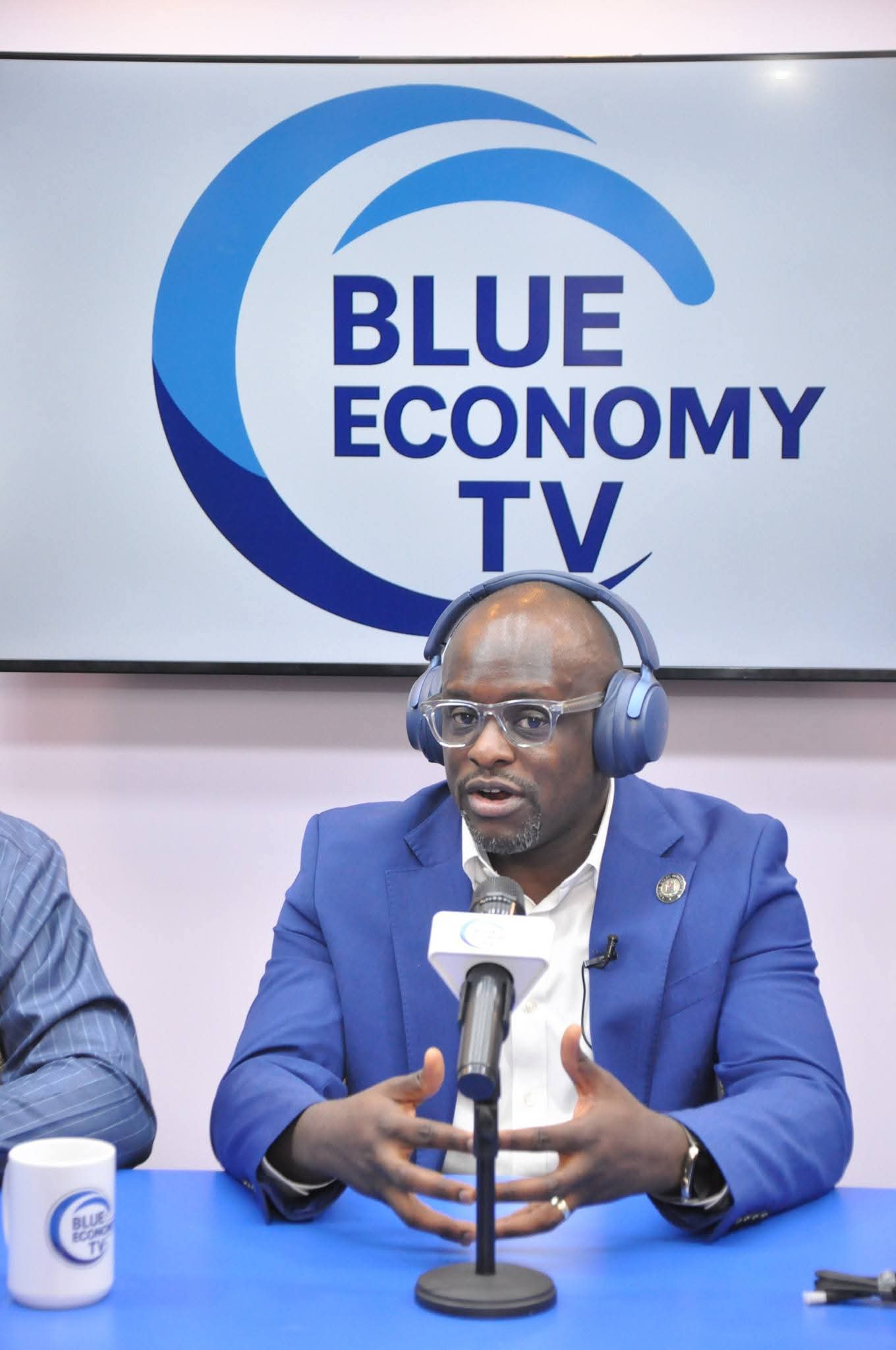
A new media platform dedicated to unlocking Nigeria’s vast ocean resources has been launched in Lagos, marking a significant push to reposition the country’s blue economy as a driver of national development.
Blue Economy TV (BETV), described by its promoters as Africa’s first specialised television channel focused on the ocean economy, is designed to promote awareness, attract investment and deepen policy conversations around Nigeria’s underutilised maritime sector.
The platform will spotlight key areas including shipping, fisheries, aquaculture, coastal tourism, marine services and environmental sustainability.
The initiative, developed by the Blue Economy Academy, drew participation from government officials, maritime stakeholders and industry experts, reflecting growing momentum to harness Nigeria’s coastal and inland water assets.
Speaking at the unveiling, the General Manager of the Lagos State Waterways Authority (LASWA) and Special Adviser to the Lagos State Governor on Blue Economy, Emmanuel Oluwadamilola, emphasised the strategic importance of Lagos’ maritime infrastructure to the nation’s economy.
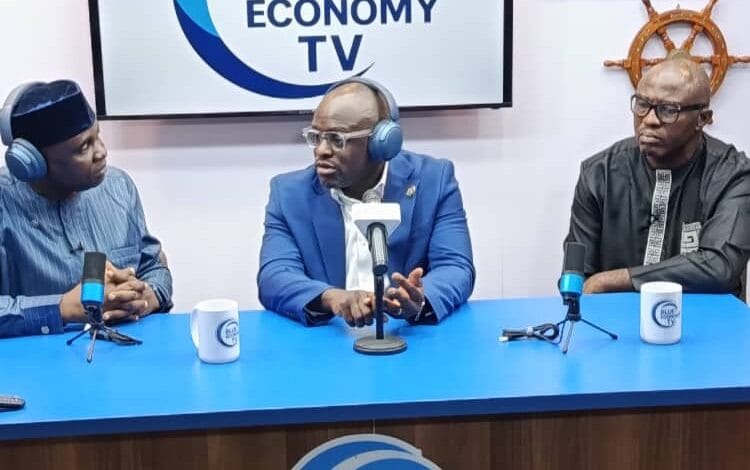
He noted that Lagos boasts over 180 kilometres of coastline and more than 140 kilometres of inland waterways, forming a critical trade corridor that supports a significant share of Nigeria’s international commerce. Despite this, he said, the sector remains largely underutilised.
According to him, the launch of BETV signals a shift in perspective.
“For years, we have underestimated the value of our waters. This platform helps reposition our maritime space not as a boundary, but as a catalyst for job creation, mobility, food security and sustainable growth,” he said.
Oluwadamilola added that the channel would play a key role in amplifying underreported stories, encouraging informed discourse and bridging the gap between policy formulation and implementation.
Founder of the Blue Economy Academy, Ubong Essien, said the initiative was conceived to close knowledge gaps and accelerate the translation of Nigeria’s marine potential into tangible economic outcomes.
“We are building an ecosystem where knowledge drives action. Nigeria’s coastline from Badagry to Bakassi holds enormous opportunities, but unlocking that potential requires deliberate effort,” he said.
Essien explained that the blue economy extends beyond traditional maritime activities, describing it as a multi-dimensional ecosystem that includes commerce, governance, climate action, energy and finance.
He added that Lagos, as Nigeria’s commercial hub, is well positioned to evolve into a centre for “blue capital,” capable of attracting investments into ocean-based industries.
According to him, BETV will serve as a strategic communication tool for national reorientation, policy advocacy and stakeholder engagement.
Programmes such as Blue Morning Nigeria and Watchers of the Seas are expected to drive conversations within the sector, alongside dedicated news coverage on maritime developments and sustainability issues.
Essien also stressed the need for stronger collaboration among coastal and inland states, warning that limited awareness often referred to as “sea blindness” continues to hinder the sector’s growth.
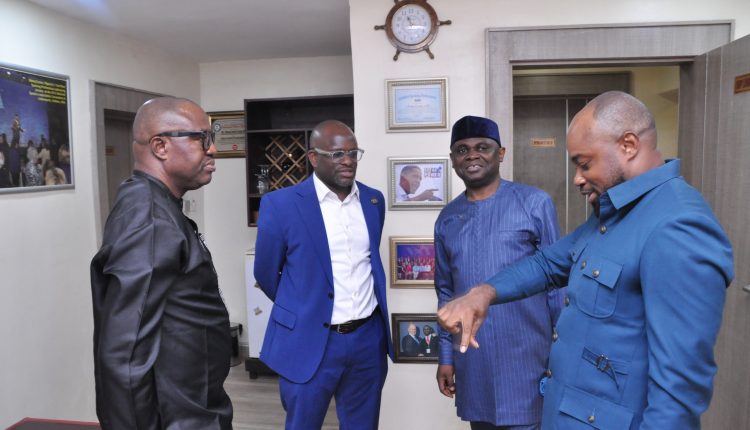
“For this economy to thrive, coastal states must lead, while others along the blue corridor recognise their role.
This is about building a national consciousness around Nigeria’s identity as a maritime nation,” he said.
Industry stakeholders described the launch as timely, especially as global attention increasingly shifts towards sustainable ocean economies as key drivers of economic growth, climate resilience and food security.
With Nigeria seeking to diversify beyond oil, BETV is expected to play a pivotal role in shaping narratives, informing policy direction and attracting investment into one of the country’s most promising but underdeveloped sectors.
About the Author