 Odita Sunday

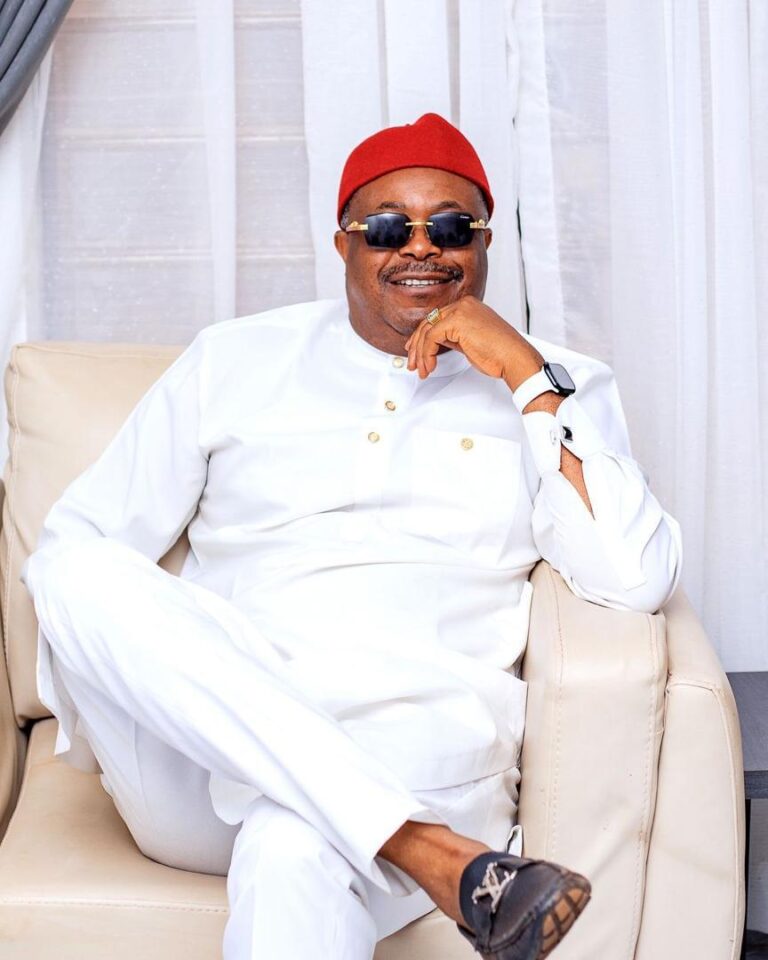
DIG Taiwo Frederick Lakanu (Retd): Passion for Service to the Fatherland

By Odita Sunday
Retirement often marks the end of public influence. For Taiwo Frederick Lakanu, it has become the beginning of a different kind of service. When President Bola Ahmed Tinubu appointed the retired Deputy Inspector-General of Police to the Police Service Commission (PSC) in 2024, many regarded it as a fitting reward for more than three decades in uniform. The appointment represented the transfer of a veteran policeman from the battlefield of crime fighting to the architecture of institutional reform.
As chairman of the PSC’s Standing Committee on Police Matters, Lakanu is in a position to shape recruitment, promotions and professional standards within the Nigeria Police Force. It is a role less visible than leading tactical operations against armed robbers or kidnapping gangs, yet arguably more consequential.
Throughout his thirty-three years in the Nigeria Police Force, Lakanu earned a reputation not merely for confronting criminals but for building institutions and public confidence. Now in retirement, he continues to influence the force from within its oversight structures. His current responsibilities illustrate that transition. The PSC has been central to overseeing the recruitment of 50,000 new constables approved by the federal government. Recruitment is a process long vulnerable to allegations of manipulation and patronage. However, the committee under Lakanu has established whistleblowing mechanisms to protect applicants from extortion while also collaborating with the National Drug Law Enforcement Agency to introduce mandatory drug screening as part of integrity testing.
Instructively, the commission has sought to restore merit as the principal criterion for advancement in the Nigerian Police Force. The practice of arbitrary special promotions, criticised for undermining morale and organisational hierarchy, has been curtailed in favour of structured examinations and professional assessment boards. Accelerated advancement remains possible, but only for demonstrable acts of exceptional gallantry rather than administrative favour. Such reforms speak volumes about someone who rose through the ranks the traditional way.
Born on October 12, 1959, on Lagos Island, Lakanu’s education took him from Yaba Model Primary School through Eko Boys High School and CMS Grammar School before he enrolled at the University of Lagos, where he studied Philosophy. He subsequently obtained a law degree from the same university, qualified as a Barrister-at-Law after his call to the Nigerian Bar in 2000, and later earned a Master of Laws degree in the United Kingdom. Courses at the Police Staff College in Jos, the Kofi Annan International Peacekeeping Training Centre in Ghana and the National Defence College equipped him with expertise spanning criminal investigation, conflict management and strategic security planning. The result was an unusual combination of policeman, lawyer and strategist.
Lakanu entered the Nigeria Police Force in 1986 as a Cadet Assistant Superintendent of Police. Over the following decades, he served across virtually every level of operational policing, progressing steadily through the ranks to Superintendent, Chief Superintendent, Assistant Commissioner, Deputy Commissioner and Commissioner before eventually becoming Deputy Inspector-General of Police. His promotions reflected sustained operational performance rather than political visibility.
The assignment that first established his national reputation came during the era when highway robbery had become one of Nigeria’s defining security challenges. As head of the Special Anti-Robbery Squad in Lagos, Lakanu led operations against the notorious armed robber known as Shina Rambo, whose activities had terrorised motorists and communities across the south-west.
The eventual dismantling of the gang earned Lakanu the Inspector-General’s Gallantry Award and established his credentials as one of the force’s foremost tactical commanders. His reputation for handling difficult assignments followed him throughout his career.
When appointed Commissioner of Police in Imo State, his arrival reportedly generated political reservations. Yet the scepticism quickly dissipated as his command focused on the region’s growing kidnapping crisis. Under his leadership, police operations targeted the network led by the notorious Henry Chibueze, popularly known as “Vampire”, whose gang had become synonymous with violent abduction across the south-east.
The eventual dismantling of the organisation represented one of the defining anti-kidnapping operations of the period, restoring a measure of confidence among residents and businesses while reinforcing Lakanu’s standing as an operational commander capable of delivering results under pressure.
Elsewhere, his expertise was repeatedly deployed to stabilise volatile situations.
During episodes of ethno-religious violence in Kaduna State, he led specialised police contingents tasked with preventing wider conflict. Combining tactical deployment with engagement across community divides, his operations helped contain escalating tensions and attracted official commendation from the state government.
As Assistant Inspector-General in charge of Federal Operations, he supervised security planning for the 2017 Anambra governorship election, an exercise widely regarded as highly sensitive given prevailing political tensions. In the same period, he commanded a large deployment to Abia State during heightened agitation by the Indigenous People of Biafra, balancing the imperative of public order with the risks of excessive force.
Such assignments reinforced his reputation as the officer the force called upon when conventional policing appeared insufficient.
Yet Lakanu’s influence was never confined to tactical operations. Long before community policing became official doctrine, he recognised that public cooperation was an essential component of effective security. Throughout his postings, he cultivated relationships with local leaders and sought to leave institutions stronger than he found them.
His commitment extended beyond formal policing. In Imo State, he oversaw the construction of St Michael the Archangel Catholic Police Chaplaincy, reflecting his belief that the welfare and moral well-being of officers formed part of organisational resilience. Similar initiatives undertaken during earlier postings demonstrated an enduring concern for the communities and personnel under his command.
Traditional institutions across Nigeria honoured him with titles reflecting both military courage and civic leadership, while an international security summit in Houston named him the most outstanding crime fighter in West and Sub-Saharan Africa. In Imo State, a major road behind the Police Headquarters was named after him, an unusual distinction for a serving police officer.
Such honours reflected more than personal popularity. They illustrated a style of policing that combined enforcement with accessibility and authority with public engagement.
By 2019, Lakanu had reached the administrative summit of the Nigeria Police Force as Force Secretary and, subsequently, Deputy Inspector-General of Police responsible for many of the personnel decisions that shape institutional culture, including postings, promotions and internal discipline.
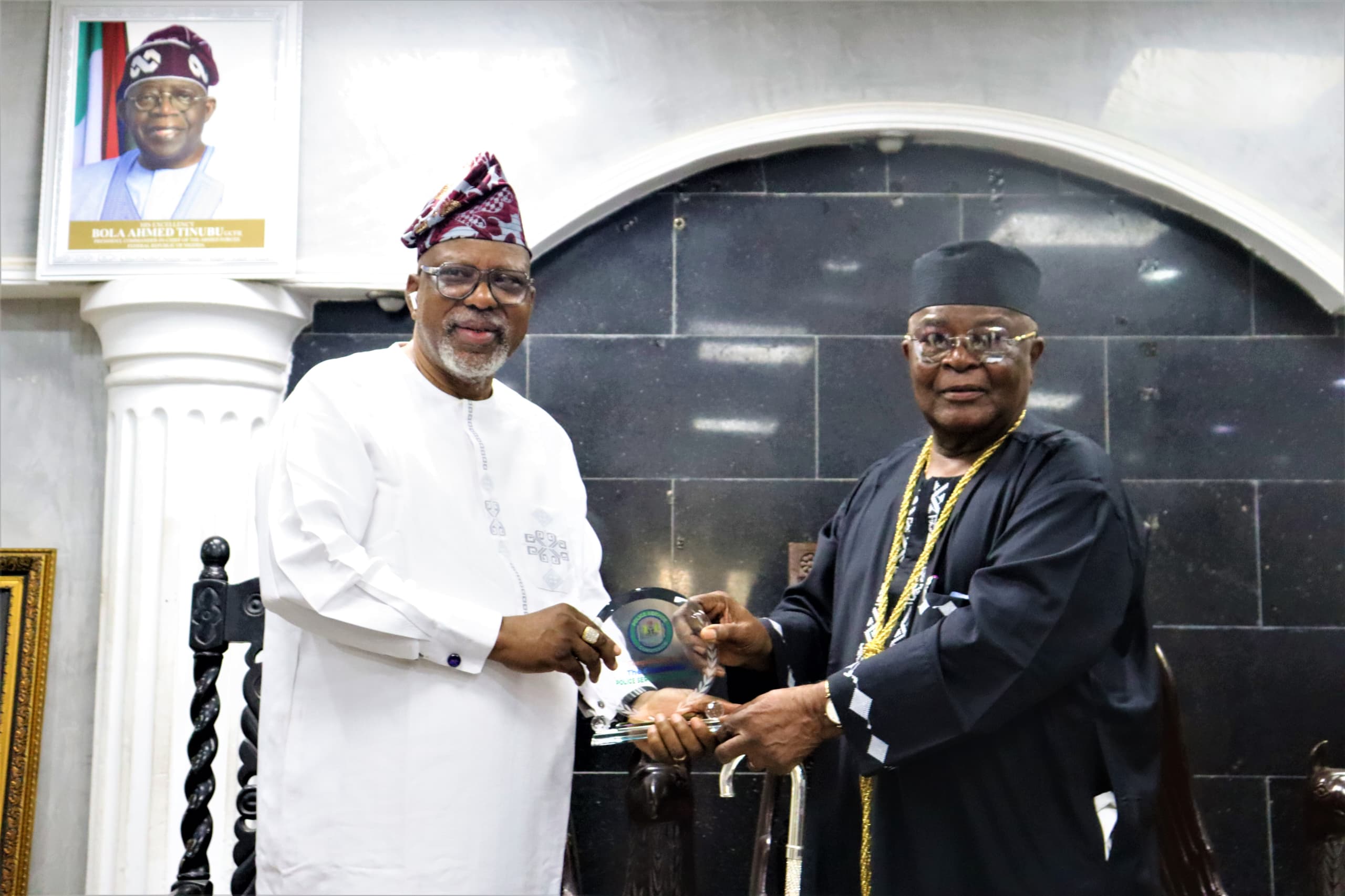
His retirement proved less a conclusion than a continuation. His appointment to the Police Service Commission has allowed him to apply decades of operational experience to structural reform. Recruitment integrity, transparent promotion systems and professional accountability are less dramatic than armed confrontations with notorious criminals, but they may ultimately prove to be his more enduring contributions.
Lakanu occupies that uncommon space between practitioner and reformer. His career spans frontline policing, legal scholarship, strategic security management and institutional oversight. The progression from tactical commander to institutional reformer is, therefore, less a second act than the logical culmination of a lifetime spent examining policing from every conceivable angle.
For many public servants, retirement signals withdrawal from national life. For Taiwo Frederick Lakanu, it has simply provided a different platform from which to pursue the same mission. His legacy rests not only on the criminals he helped remove from the streets but increasingly on the standards he is helping to embed within the institution itself. The policeman, it turns out, never really retired. He merely exchanged command for stewardship.
About the Author