 Odita Sunday

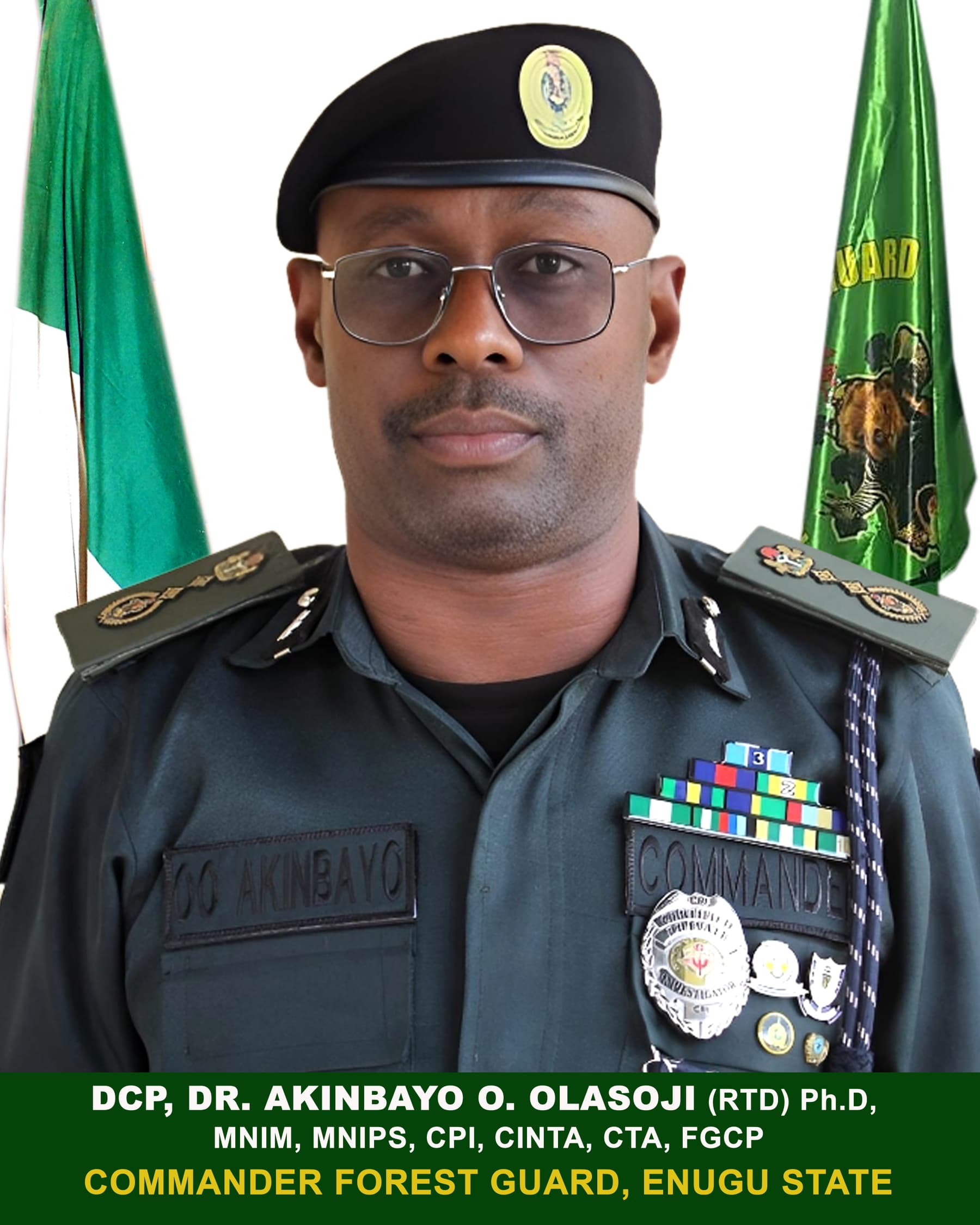
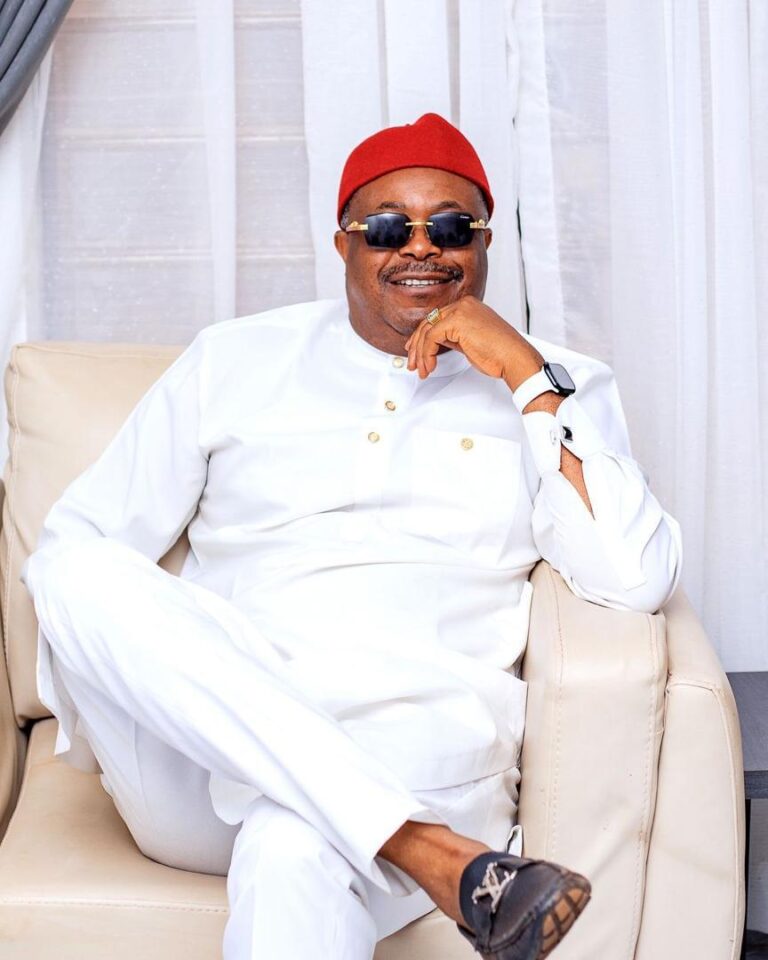
The Commander of the Enugu State Forest Guard, Dr. Akinbayo O. Olasoji (Rtd), has emphasised that effective forest security depends on lawful conduct, professional discipline and strong community relations.
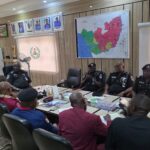
Olasoji stated this during a two-day strategic lecture series at the National Forest Guard Training Camp in Ila-Orangun, Osun State, where he addressed forest guard recruits and operational officers.
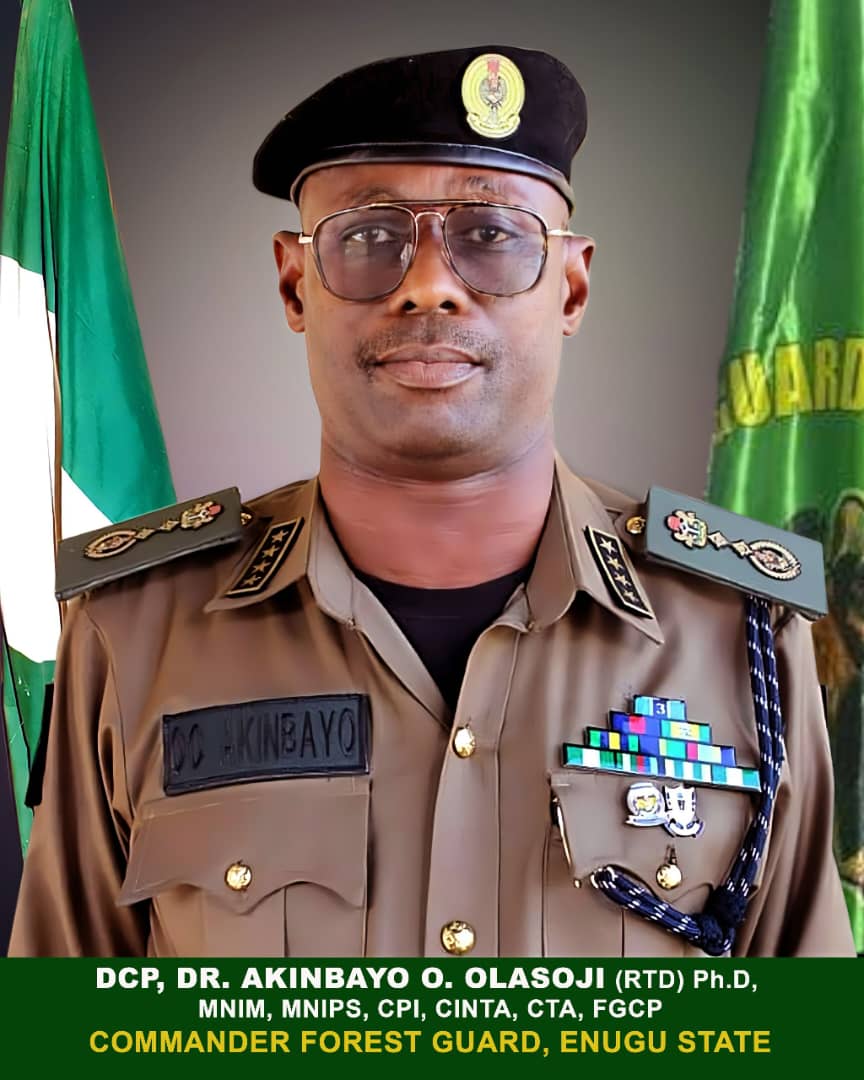
He said the lectures were designed to unify forest security operations around legality, discipline and community legitimacy, noting that security cannot be enforced through fear.
“A Forest Guard is a trust-bearer, not a power-holder,” Olasoji said. “Uniform and equipment do not create authority; character does.”
According to him, ethics in forest operations is a statutory obligation derived from the Constitution, the Enugu State Forest Guard Law, the Firearms Act and other legal instruments.
He explained that forest guards must operate within clearly defined legal boundaries, stressing that abuse of authority erodes public trust and weakens intelligence flow.
Olasoji noted that forests are deeply connected to rural livelihoods and warned that failure to engage communities leads to hostility, resistance and operational setbacks.
“Without community trust, intelligence collapses and officers are exposed to unnecessary risk,” he said.
The commander also highlighted early-warning indicators for conflict prevention, including rumours, unusual movements and enforcement-related triggers in forest corridors.
He said forest guards are expected to act as peace managers, applying lawful de-escalation strategies and referring sensitive cases to appropriate security agencies when necessary.
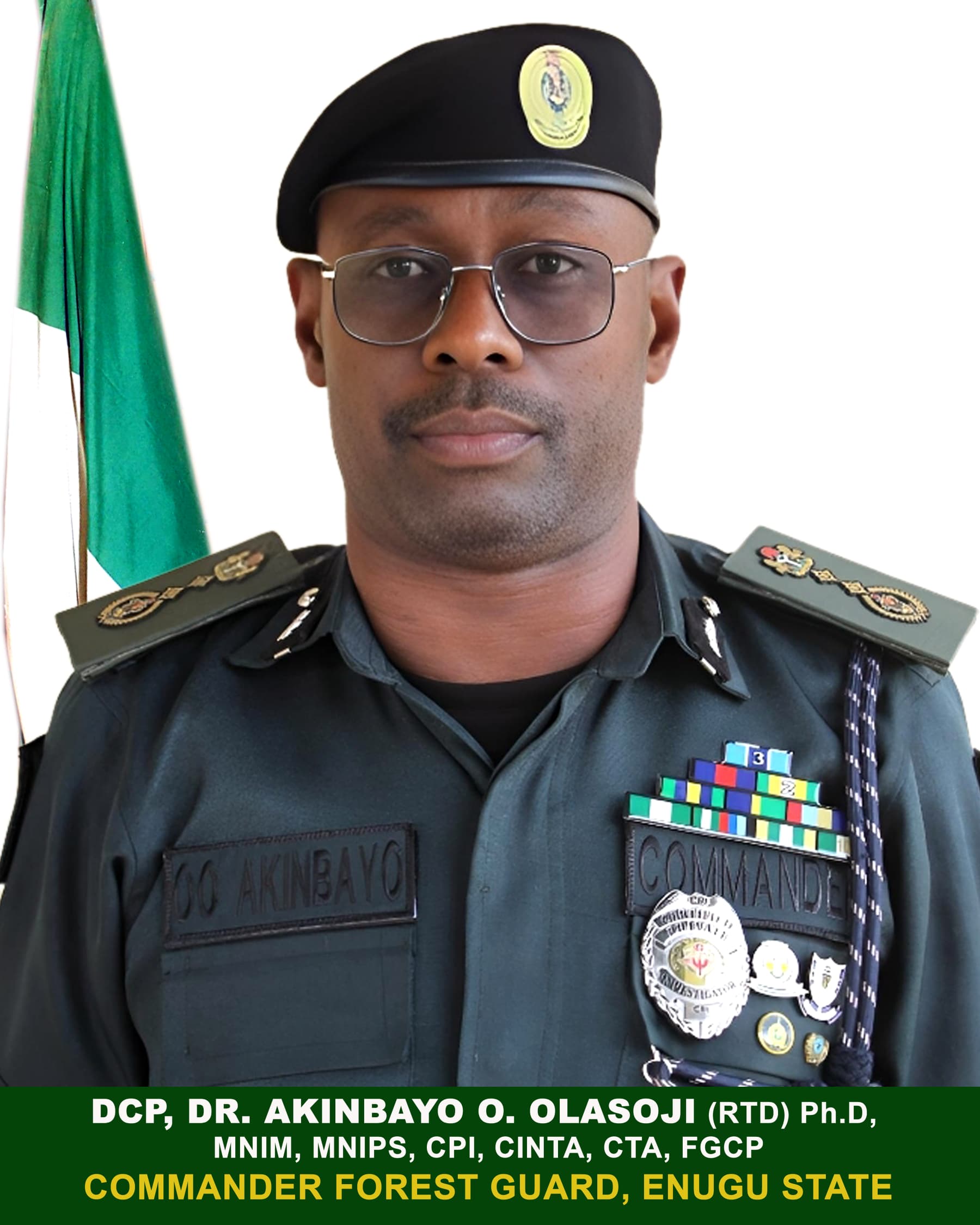
Olasoji reiterated zero tolerance for torture, extortion, ethnic profiling and political interference, particularly in sensitive operations such as open-grazing enforcement.
He added that ethics training and community-engagement performance would henceforth be formally documented and considered in promotions and leadership appointments.
About the Author