
 Odita Sunday



PSC Reaffirms Data Privacy Commitment At National Summit, Aligns Police Recruitment With NDPC Standards
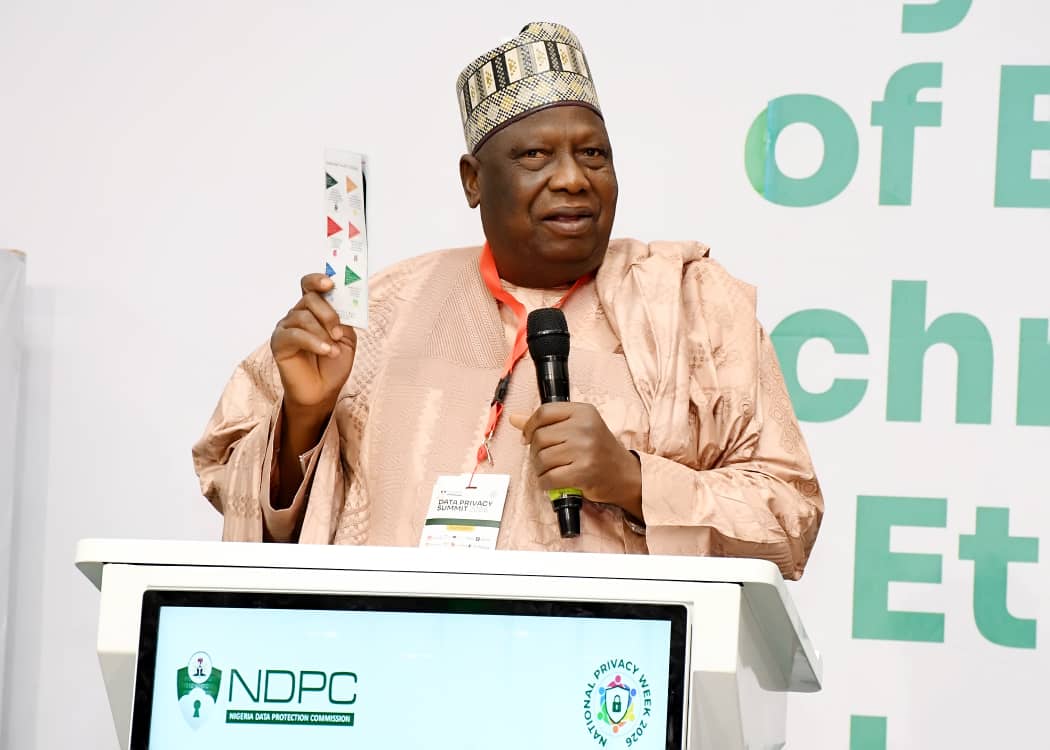
The Police Service Commission (PSC) has declared data protection a non-negotiable pillar of modern policing, pledging strict compliance with national privacy standards as Nigeria deepens the use of technology in law enforcement.
The Chairman of the Commission, retired Deputy Inspector-General of Police, Hashimu Salihu Argungu, made this commitment at the National Data Privacy Summit 2026, held at the Transcorp Hilton, Abuja, and organised by the Nigeria Data Protection Commission (NDPC).

Speaking at the summit themed “Privacy in the Era of Emerging Technologies: Trust, Ethics and Innovation,” Argungu underscored the growing dependence on data-driven intelligence in crime prevention, noting that effective policing has evolved beyond physical presence to sophisticated information systems
In a statement signed on Thursday by Mr. Torty Njoku Kalu, Spokesman, Police Service Commission, Argungu commended the NDPC and its National Commissioner, Dr. Vincent Olatunji, for what he described as pioneering efforts in entrenching a strong data privacy culture across the country, stressing that public trust in law enforcement is inseparable from ethical data handling.
The PSC Chairman assured stakeholders that the Commission would uphold the highest data protection standards in all its activities, including the ongoing recruitment of 50,000 police constables. According to him, all recruitment and operational processes are being aligned with NDPC policies to safeguard personal data and institutional integrity.

Argungu further reaffirmed the Commission’s commitment to sustained collaboration with the NDPC, noting that the summit, held on Tuesday, 4 February 2026, provided a strategic platform for strengthening inter-agency cooperation on data governance.
The Police Service Commission is the Federal Executive Body constitutionally empowered to appoint, promote and exercise disciplinary control over all police officers except the Inspector-General of Police in line with the 1999 Constitution (as amended) and the PSC Establishment Act, 2001.
About the Author