
 Odita Sunday



BEYOND THE TITLE: Zaynab Obanor’s Quiet Influence in Development and Diplomacy
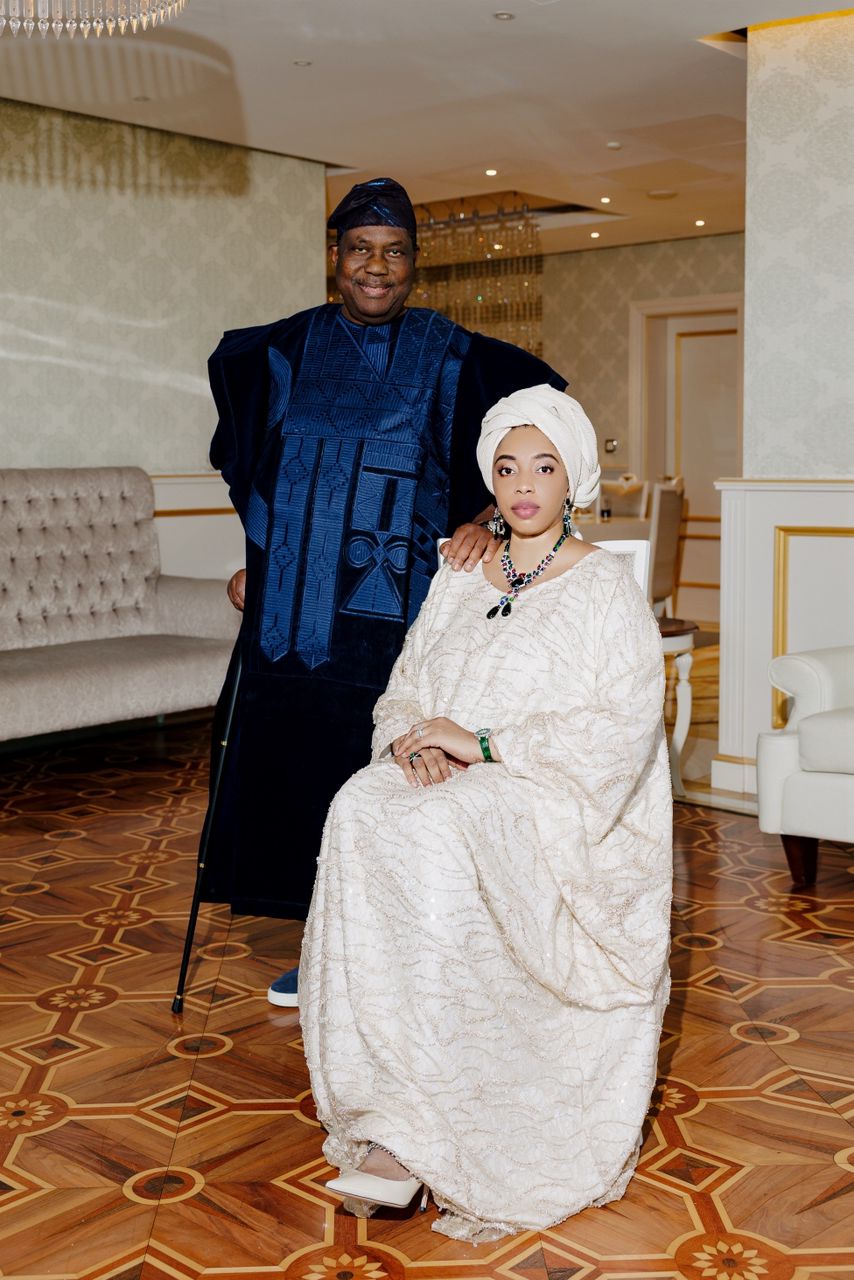
Amidst public discourse surrounding the marriage of the Secretary to the Government of the Federation, Senator George Akume, a clearer portrait of his wife, Her Highness Zaynab Otiti Obanor, has emerged—one defined not by political association but by a substantive, independent career marked by depth and deliberate impact.
Contrary to perceptions shaped by social media commentary, findings by Razor News reveal a professional with a longstanding record in youth leadership, social stability, humanitarian coordination, and institutional development. Described by associates as reserved, intellectually grounded, and strategically effective, Obanor has operated for years in spaces where outcomes supersede public visibility.
“She is not new to responsibility; what has changed is the spotlight,” a close colleague noted, underscoring that her current public attention is the only novel element in a career built on substance.
Her work, spanning Africa, Europe, and the Gulf, has earned her recognition as a trusted practitioner in development and diplomacy, with particular experience in peace-building and cross-regional initiatives. Associates confirm her engagements have consistently prioritized measurable impact over recognition.
“She understands the weight of responsibility and carries it with professionalism, whether leading youth empowerment programmes, coordinating humanitarian efforts, or engaging in high-level diplomatic discussions. Her focus is on results, not accolades,” another source stated.
Obanor’s influence is often exercised behind the scenes, where she is noted for a unique capacity to facilitate alignment between African governments, European policy institutions, and Gulf partners. Her skill lies in translating complex political and economic interests into frameworks for practical cooperation.
“She shapes outcomes through trust and insight. Her achievements are not trophies but evidence of impact,” an associate familiar with her methodology explained. “She represents a leadership style rooted in discretion and consistency.”
Sources close to her were emphatic in distinguishing her professional trajectory from her husband’s political office, stating she maintains no interest in political office or influence-peddling.
“Marriage has not altered her path,” a source clarified. “It is a personal partnership, not an extension of political power. Her work stands on its own merit.”
Observers note that Obanor’s profile reflects a broader, evolving shift in public perception, where women connected to holders of high office are increasingly acknowledged for their independent professional identities and contributions, rather than being defined solely by association.
This delineation between personal partnership and professional legacy continues to shape a more nuanced understanding of influence in the public sphere.
About the Author