
 Odita Sunday



Reframing the Narrative: The Nigerian Armed Forces Beyond the Headlines
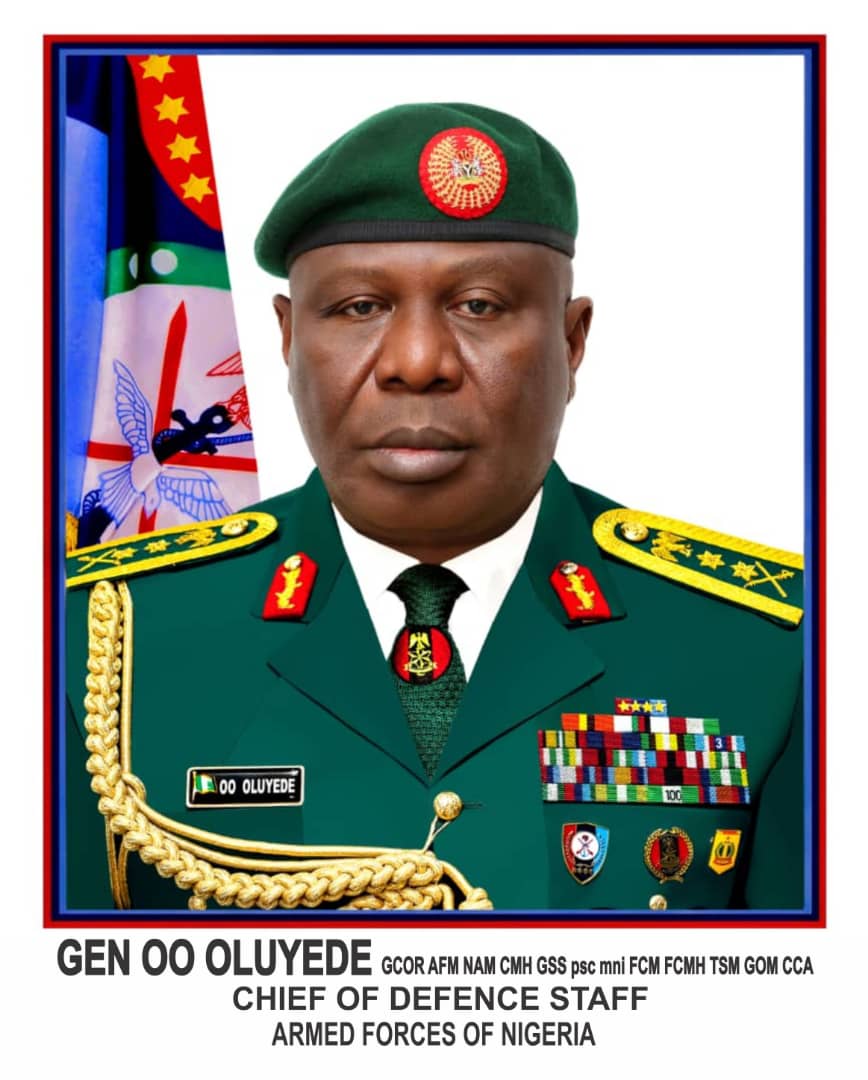
By Odita Sunday
In recent years, public discourse around the Nigerian Armed Forces has been dominated by negative headlines, ranging from insurgency challenges to isolated operational setbacks. While scrutiny of public institutions is both necessary and healthy in a democracy, it is equally important that such scrutiny is balanced with facts, context, and a recognition of the immense sacrifices made daily by the men and women in uniform.
The prevailing narrative often overlooks a critical truth: the Nigerian Armed Forces remain one of the most resilient and battle-tested military institutions in Africa, operating under extraordinarily complex conditions that would strain even the most advanced militaries in the world.
Nigeria’s security landscape is multifaceted. From terrorism in the North-East, banditry in the North-West, separatist tensions in the South-East, to piracy in the Gulf of Guinea, the Armed Forces are stretched across multiple theatres simultaneously. Yet, despite these pressures, they continue to hold the line, preventing a complete breakdown of national security and ensuring that governance structures remain intact.
It is important to remember that the fight against insurgency, particularly against groups like Boko Haram and ISWAP, is not a conventional war. These adversaries are asymmetric in nature, blending into civilian populations, exploiting difficult terrain, and leveraging propaganda to amplify perceived victories. Against such enemies, progress is often incremental rather than dramatic. Yet, when measured over time, the gains of the Nigerian military are undeniable.

Large swathes of territory once controlled by insurgents have been reclaimed. Key terrorist leaders have been neutralized. Thousands of hostages have been rescued. Communities that were once ghost towns are gradually returning to life. These are not insignificant achievements; they are the result of sustained military pressure, intelligence operations, and the sheer determination of troops who operate in harsh and often unforgiving environments.
Another dimension frequently ignored in negative reporting is the humanitarian role of the Armed Forces. Beyond combat operations, the military has been at the forefront of disaster response, medical outreach, and infrastructure support in remote and underserved areas. Military hospitals have treated civilians at little or no cost. Engineering units have constructed roads and bridges in conflict zones. During emergencies, such as floods or communal crises, soldiers are often the first responders.
These contributions rarely make headlines, yet they form a crucial part of the Armed Forces’ engagement with civil society. They demonstrate that the military is not merely an instrument of war, but also a stabilizing force committed to national development.
Critics also tend to underplay the constraints under which the Nigerian Armed Forces operate. Issues such as funding limitations, procurement bottlenecks, and the need for continuous modernization are real challenges. However, these are systemic issues that require long-term policy solutions and sustained investment. They are not, in themselves, evidence of institutional failure.
Indeed, despite these constraints, the Armed Forces have continued to evolve. There has been increased emphasis on joint operations, improved intelligence coordination, and the adoption of modern warfare techniques. Training partnerships with allied nations, as well as indigenous capacity-building initiatives, are gradually enhancing operational effectiveness.
Morale, often cited as a concern, must also be viewed in context. Nigerian soldiers operate far from their families, in high-risk environments, with the constant threat of ambushes and improvised explosive devices. Yet, they continue to serve with courage and professionalism. Acts of bravery, often unreported, occur daily on the frontlines. These are individuals who have chosen service above self, fully aware of the risks involved.
It is also worth noting that the Armed Forces are not insulated from the broader society from which they are drawn. They reflect the same strengths and weaknesses present in the nation at large. Therefore, addressing issues within the military must go hand-in-hand with broader national reforms. Singling out the institution as uniquely flawed ignores this interconnected reality.
Media narratives play a powerful role in shaping public perception. When coverage is disproportionately negative, it risks eroding public confidence and undermining the morale of troops. Constructive criticism is essential, but it should be accompanied by recognition of progress and acknowledgment of sacrifice.
A more balanced narrative does not mean glossing over challenges or ignoring legitimate concerns. Rather, it involves presenting a fuller picture, one that captures both the difficulties and the determination of the Nigerian Armed Forces. It means telling the stories of soldiers who hold their ground against overwhelming odds, of commanders who adapt strategies in dynamic environments, and of a military institution that continues to learn and improve.
Nigeria is not alone in facing security challenges. Around the world, even the most advanced militaries grapple with insurgencies, terrorism, and hybrid warfare. What distinguishes successful responses is not the absence of setbacks, but the ability to adapt, persevere, and ultimately prevail. In this regard, the Nigerian Armed Forces have demonstrated remarkable resilience.
As citizens, there is a collective responsibility to support national institutions while holding them accountable. This balance is crucial. Excessive negativity without context can be as damaging as blind praise without scrutiny. The goal should be to foster an informed public discourse that strengthens, rather than weakens, the institutions that safeguard national security.
In the final analysis, the story of the Nigerian Armed Forces is not one of failure, but of endurance. It is a story still being written, on the frontlines, in training grounds, and in the quiet acts of service that rarely make the news. It is a story of men and women who, despite the odds, continue to stand in defense of the nation.
Reframing the narrative is not about denying reality; it is about recognizing the full scope of it. And when that is done, a clearer picture emerges—one of a military institution striving, adapting, and committed to the ultimate goal of a secure and stable Nigeria.
About the Author